

Laser hair removal works best when the treatment is paired with good preparation and thoughtful aftercare. What you do before the appointment can affect how safely the laser interacts with your skin, while what you do afterward can reduce irritation and help you stay on schedule for the next session.
The most important rule is to follow the instructions from the provider treating you. General guidance is useful, but your medical history, medications, skin tone, recent sun exposure, treatment area, and device can change what is appropriate. If your provider's directions differ from a generic checklist online, use the personalized instructions.
Kalos & Muse offers laser treatments in Richardson. Before your first session, be ready to discuss tanning, hair-removal habits, current medications, previous laser procedures, and any skin reaction in the area you want treated.
Start With a Real Consultation
A consultation is not simply a formality before treatment. Mayo Clinic recommends reviewing your medical history, medications, risks, expected results, and the treatment area before laser hair removal. This is also the time to discuss skin tone, hair color, previous hyperpigmentation, scarring, sensitivity, and any condition that affects hair growth.
Be specific about products and prescriptions. Some medications and topical treatments can affect skin sensitivity. Do not stop a prescribed medication on your own, but make sure the provider knows what you use so they can decide whether treatment timing needs to change.
Avoid Tanning and Protect the Area From Sun
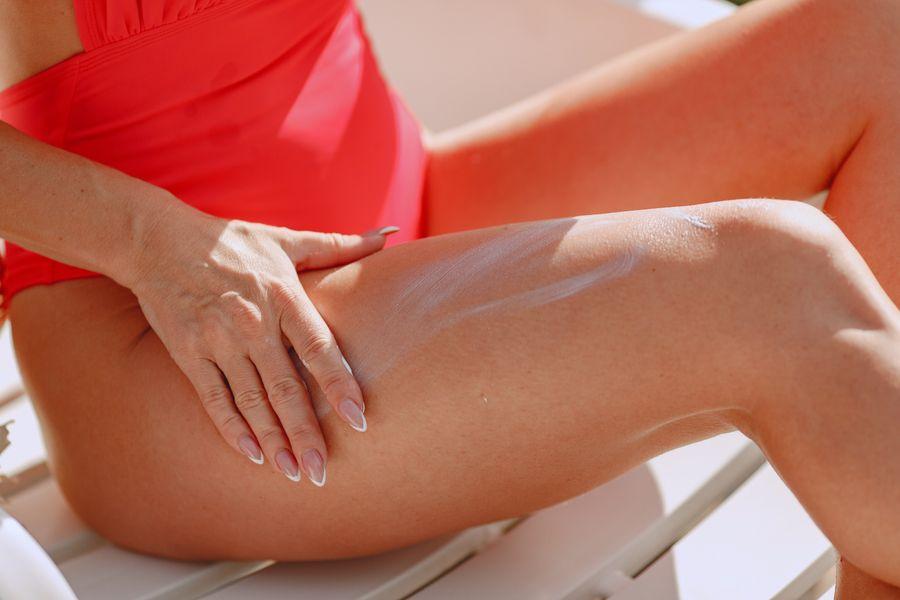
Sun exposure is one of the biggest preparation issues because laser hair removal targets pigment. A recent tan increases pigment in the skin, which can increase the risk of burns or unwanted color changes. Mayo Clinic advises avoiding sun exposure and tanning beds before treatment and using broad-spectrum sunscreen with SPF 30 or higher.
Sunless tanning products should also be avoided before treatment. They can change the color of the surface of the skin and make assessment more difficult. If you have used self-tanner, tell your provider rather than trying to hide it or scrub aggressively right before the appointment.
Stop Waxing, Plucking, and Electrolysis Before Treatment
The laser needs pigment in the hair follicle to create its effect. Waxing, tweezing, and electrolysis remove or disrupt the hair at the root, which takes away the target the laser is meant to find. Mayo Clinic recommends stopping waxing, plucking, and electrolysis at least four weeks before treatment.
This does not mean you must let the area grow long between appointments. Shaving is treated differently because it cuts hair at the surface while leaving the follicle in place. Your provider will tell you when and how to shave before your visit.
Shave the Treatment Area at the Right Time
Mayo Clinic commonly recommends shaving the treatment area the day before the appointment. Shaving removes long surface hair that could absorb heat above the skin while leaving the follicle available for the laser to target.
Use a clean razor and avoid repeatedly going over irritated skin. If shaving causes cuts, razor burn, or an active rash, contact the provider before the appointment. Do not apply a harsh scrub immediately afterward in an attempt to make the area extra smooth.
Arrive With Clean Skin
Follow the clinic's instructions about lotions, deodorant, oils, makeup, fragrance, and topical products on the treatment area. Many providers prefer clean, product-free skin so the laser can be used without unnecessary residue. If you are unsure whether to apply a particular prescription or skin-care product that morning, ask before the visit.
Do not try to improve the appointment by exfoliating aggressively the night before. Scrubs, strong acids, retinoids, and other active products can leave some skin more reactive. Your provider may give specific instructions about when to pause and restart these products. The goal is to arrive with intact, calm skin, not skin that has been freshly irritated in the name of preparation.
Wear clothing that gives easy access to the area and will not rub tightly afterward. Soft, loose clothing can be more comfortable if the skin feels warm or mildly swollen after treatment.
What Your Skin May Feel Like After Laser Hair Removal
Temporary redness, swelling, and mild discomfort are common after treatment. Mayo Clinic notes that these changes usually settle within hours. Your provider may recommend a cold pack or another simple comfort measure. A stronger reaction should be discussed with the clinic rather than treated with random home remedies.
Do not expect all treated hairs to disappear immediately. They typically shed gradually over several days to weeks. Avoid pulling at them. Let the shedding process happen naturally and follow your provider's instructions about shaving between sessions.
Be Serious About Sun Protection After Treatment
Sun protection remains important after the appointment. Mayo Clinic advises protecting treated areas from sun exposure for about six weeks or for the period your provider recommends, along with daily broad-spectrum SPF 30 or higher. This helps reduce the risk of pigment changes while the skin recovers.
If the treated area is normally covered, remember that travel, outdoor exercise, swimming, and clothing changes can expose it unexpectedly. Plan ahead. Sunscreen is useful, but physical shade and clothing can add another layer of protection when practical.
Keep Aftercare Gentle
Right after treatment is not the time to prove how much your skin can tolerate. Avoid picking, aggressive scrubbing, and adding strong active products unless your provider specifically says they are safe. If the area feels warm or sensitive, a gentle routine is usually more comfortable than layering fragrance, acids, or exfoliating tools.
Friction matters too. Tight clothing, repeated rubbing, and scratching can make freshly treated skin feel more uncomfortable. For body areas, breathable clothing may feel better during the first part of recovery. For facial areas, keep makeup and skin-care choices simple until the provider says your usual routine is appropriate again.
Ask your provider when you can return to your normal workouts, hot baths, saunas, swimming, deodorant, retinoids, exfoliating acids, or other products that could irritate the treated area. Recommendations can vary based on the location and the laser used.
What to Do Between Sessions
Continue avoiding waxing and plucking if your provider wants the follicles intact for future laser sessions. Shaving is generally the preferred temporary hair-removal method during a laser series, but follow the timing your clinic recommends. Keep the area protected from tanning so you do not have to delay the next treatment.
Appointments are often spaced several weeks apart because only a portion of hairs are in the right growth phase at one time. The American Academy of Dermatology notes that many patients can be treated every four to six weeks, although the interval varies. Staying consistent with the plan helps the provider target new growth at useful times.
When to Contact Your Provider
Mild redness and swelling can be normal, but contact the clinic if you develop significant blistering, severe pain, widespread crusting, signs of infection, or a reaction that is getting worse rather than settling. Changes in skin color can happen after laser treatment, and persistent or concerning changes should also be evaluated.
If you realize after the appointment that you forgot to mention a medication, recent tanning, or another treatment in the same area, tell the provider. Accurate information helps them decide what to do next and whether your future session timing should change.
A Simple Before-and-After Checklist
- Before: avoid tanning and follow your provider's sun-protection instructions.
- Before: stop waxing, plucking, or electrolysis for the period your provider recommends, commonly at least four weeks.
- Before: shave at the recommended time, often the day before treatment.
- Before: disclose medications, recent procedures, skin reactions, and medical conditions.
- After: use cooling measures only as instructed and keep skin care gentle.
- After: protect the treated area from sun and use broad-spectrum SPF 30 or higher.
- Between sessions: avoid pulling hair from the root and follow the planned treatment interval.
Frequently Asked Questions
Can I wax before laser hair removal?
No, not in the weeks leading up to treatment. Waxing removes the hair from the follicle, which removes the pigment target the laser needs. Mayo Clinic recommends stopping waxing, plucking, and electrolysis at least four weeks before treatment.
Should I shave before my appointment?
Often yes. Mayo Clinic recommends shaving the area the day before treatment, but follow the timing given by your own provider.
Can I go in the sun after laser hair removal?
Sun exposure should be minimized after treatment. Mayo Clinic recommends protecting treated skin from sun for about six weeks or as directed and using broad-spectrum SPF 30 or higher.
Is redness after laser hair removal normal?
Mild redness, swelling, and discomfort can occur and often settle within hours. Contact your provider if the reaction is severe, worsening, or includes blistering or other concerning symptoms.
Good laser hair removal aftercare is mostly about respecting the skin and the treatment plan. Prepare carefully, protect the area from sun, avoid removing hair from the root between sessions, and ask questions when instructions are unclear. A consistent series is easier to complete when each appointment starts with calm, healthy skin.