
A fresh manicure looks effortless on appointment day because the shaping, prep, color, and finish are all at their best. Keeping it looking good for the next one, two, or three weeks depends less on complicated products and more on how you treat your hands in ordinary situations.
Aftercare is especially important for gel, dip, acrylic, Gel X, and other structured services because lifting or cracking is more than a cosmetic chip. Good habits help protect the finish, reduce avoidable stress, and make your next maintenance appointment easier.
1. Give the Manicure the Right Start
For traditional polish, drying time matters. The surface can feel dry before the lower layers are fully set, so avoid tight gloves, heavy pressure, or digging through a handbag immediately after the appointment. Gel and other cured systems leave the salon set, but that does not make the nail indestructible.
If your technician gives you service-specific instructions, follow those first. Different enhancement systems use different products and removal methods.
2. Wear Gloves for Wet and Chemical Work
Water exposure is part of daily life, but prolonged soaking combined with detergents and cleaning chemicals can be hard on skin and nails. Wear household gloves for dishes, deep cleaning, gardening, and similar tasks whenever practical.
The goal is not to keep your hands dry all day. It is to reduce long stretches of exposure that can dry the surrounding skin and place extra stress on a manicure.
3. Stop Using Your Nails as Tools
Opening cans, scraping labels, prying lids, and picking at packaging puts concentrated force on the free edge of the nail. That is one of the fastest ways to chip polish or crack an enhancement.
Use the actual tool instead. A spoon edge, box cutter, coin, or can tab takes seconds and can save an unnecessary repair appointment.
4. Moisturize Your Hands and Cuticle Area
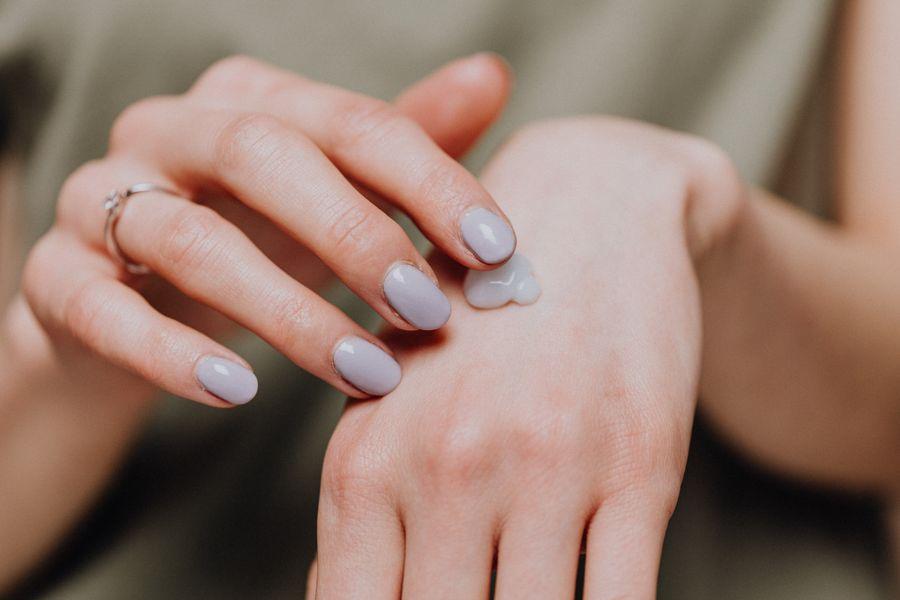
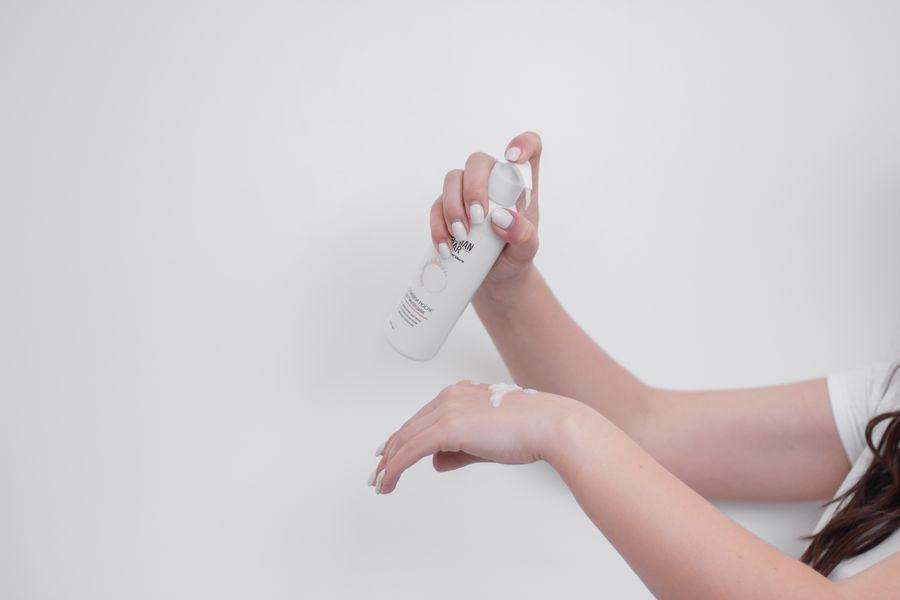
Hand cream and cuticle oil support the skin around the manicure, especially if you wash or sanitize your hands frequently. Comfortable, hydrated skin makes the entire manicure look more finished even as the nails begin to grow out.
Apply moisturizer after washing when your skin feels dry, and use a small amount of cuticle oil around the nail folds if it suits your skin. You do not need to flood the nail with product several times a day.
5. Be Careful With Filing at Home
If a tiny edge feels rough, gentle filing can keep it from snagging. What you want to avoid is aggressively reshaping an enhancement or thinning the sides and stress area without understanding the structure.
If a nail feels uneven after an impact, book a professional repair. Filing until the problem disappears can sometimes remove the support the enhancement needs.
6. Do Not Pick at Chips or Lifting
A small lifted area can be tempting to peel, but picking often turns a minor issue into a larger one. Product can pull away surface layers of the natural nail as it comes off.
If you wear gel polish and an edge lifts, avoid peeling the rest of the gel off. If you wear acrylic, dip, or Gel X and the enhancement separates, schedule maintenance instead of gluing it down at home.
7. Choose a Length That Matches Your Routine
Long nails can absolutely be wearable, but they create more leverage when bumped. If you repeatedly crack the same nails while typing, lifting weights, caring for children, or working with tools, shortening the set may improve wear more than switching products.
A practical manicure is not a compromise. The best length is one you can enjoy without constantly protecting your hands from normal life.
8. Protect the Free Edge During Daily Tasks
Typing with the pads of your fingers instead of the nail tips, opening drawers with your fingers rather than hooking a nail, and using gloves for chores all reduce repetitive stress.
Small technique changes are easy to overlook, but they add up when repeated hundreds of times between appointments.
9. Book Maintenance Before the Set Is Overgrown
Even a manicure with no chips can become due because your natural nails keep growing. Gel polish develops a visible gap. Acrylic and other enhancements move forward on the nail, which can change their balance.
Booking within the maintenance window recommended for your service lets the technician refresh the set before excess growth, lifting, or breaks make the appointment more complicated.
10. Use Professional Removal
Professional removal is one of the most important aftercare choices you can make. Peeling, prying, or scraping product from the nail can remove layers of natural nail and leave the surface rough or tender.
When you are ready for a color change, a new set, or a break from enhancements, schedule removal that is appropriate for the product you are wearing. A clean removal gives your next manicure a better starting point.
A Long-Lasting Manicure Is Mostly About Consistency
You do not need an elaborate home routine to protect your manicure. Keep your hands moisturized, reduce unnecessary chemical and water exposure, avoid using nails as tools, respond to lifting early, and stay on schedule for maintenance.
These habits work because they reduce the everyday stress that causes many chips, cracks, and snags. They also help keep the skin around the nails comfortable, which makes the manicure look better as it grows out.
If your current manicure never seems to last as long as expected, discuss it at your next appointment. The solution may be a different length, shape, product, or maintenance interval. Kalos & Muse nail services give you several options to match your routine rather than forcing one system to work for everyone.
Why Manicures Chip or Lift Early
Early wear can come from several sources. Sometimes the manicure is exposed to unusual stress, such as moving boxes, deep cleaning, travel, or a new workout routine. Sometimes the chosen length or shape simply does not fit how you use your hands. In other cases, a nail may have been oily, flexible, or difficult to prep on the day of service.
One chipped nail does not automatically mean the entire product system is wrong for you. Look for patterns. If the same fingers fail repeatedly, the issue may be how those fingers are used. If every nail lifts quickly, bring that information to your technician so they can review prep, product compatibility, and maintenance timing.
Photos are useful. If you notice lifting or a crack before the appointment, take a clear picture. By the time you return to the salon, you may have trimmed or protected the area, and the photo can help explain exactly what happened.
Extra Aftercare Questions
Can you use hand sanitizer with a manicure? Yes, but frequent sanitizer use can leave the surrounding skin dry. Moisturize when needed and focus on keeping the skin comfortable rather than avoiding normal hygiene.
Can you swim after a manicure? Normal swimming is fine for most fully set services, but long periods in water still expose nails and skin to moisture and chemicals. If you are on vacation and swimming daily, use common sense, moisturize, and avoid picking at any edge that starts to lift.
Can you add clear polish over a chipped manicure? For traditional polish, a small touch-up may be possible. For gel or enhancements, covering lifting or damage is not the same as repairing it. If the structure is affected, schedule a professional fix.
What is the best aftercare product? There is no single required product. A comfortable hand moisturizer and, if you like it, a simple cuticle oil are usually enough. The bigger difference comes from habits: protecting nails from unnecessary force, staying on schedule, and removing product correctly.
Create a Simple Aftercare Kit at Home
You do not need a drawer full of nail products. A small routine can cover most everyday needs: hand moisturizer, cuticle oil if you enjoy using it, a fine nail file for a tiny snag, and household gloves for cleaning. Keep those items where you will actually use them instead of saving them for a perfect self-care night.
If you travel often, keep a miniature hand cream and file in your bag. That makes it easier to deal with dry skin or a rough edge before you start picking at the nail. For enhancements, the file is for smoothing a tiny snag only, not for reshaping the stress area or removing product.
The most useful item in an aftercare kit is still your next appointment date. Booking maintenance before leaving the salon removes the guesswork and helps you avoid pushing a manicure far past the point where it feels balanced. Good aftercare works best when home habits and professional maintenance support each other.
Want a manicure that fits your lifestyle and is easier to maintain? Explore Kalos & Muse nail services in Richardson and book your next appointment with a length, finish, and aftercare plan you can realistically keep up with.