
Acrylic nails are known for strength, length, and design flexibility, but they are not a set-it-and-forget-it service. Your natural nails continue growing underneath the enhancement, which gradually creates space near the cuticle and changes the balance of the set. That growth is the main reason acrylic maintenance matters.
When people ask how long acrylic nails last, there are really two questions. The first is how long a set can remain wearable before it needs professional maintenance. The second is how long you can keep wearing acrylics overall if you stay consistent with fills and care. The answer depends on growth rate, length, lifestyle, application quality, and how you respond when a nail begins lifting or feeling loose.
The Typical Acrylic Maintenance Timeline
Many acrylic clients plan a fill roughly every two to three weeks. By then, new natural nail growth is usually visible at the base, and the enhancement may no longer have the same balanced structure it had when freshly applied. A fill addresses that growth area, refreshes the shape, and lets the technician check the set for lifting or stress points.
Some people grow nails quickly and prefer a shorter interval. Others can comfortably go a little longer. Waiting simply because the acrylic is still attached is not always the best measure. Once the growth gap becomes large, the enhancement can feel more top-heavy and may be easier to catch or lever during everyday tasks.
The safest schedule is the one your nail technician recommends based on the length and shape you wear. Extra-long coffin or stiletto sets place different leverage on the nail than short square or rounded acrylics, so their maintenance needs may not be identical.
What Happens During an Acrylic Fill
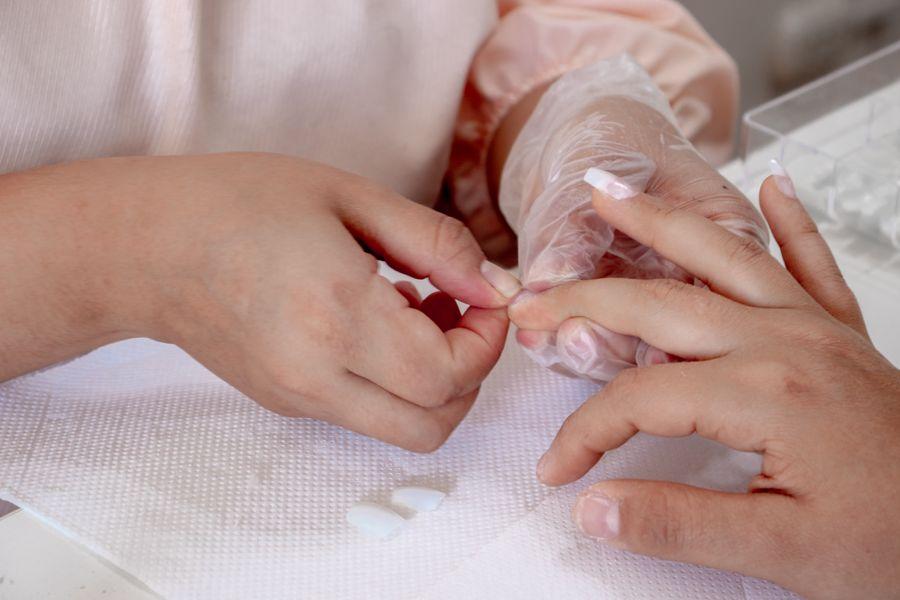
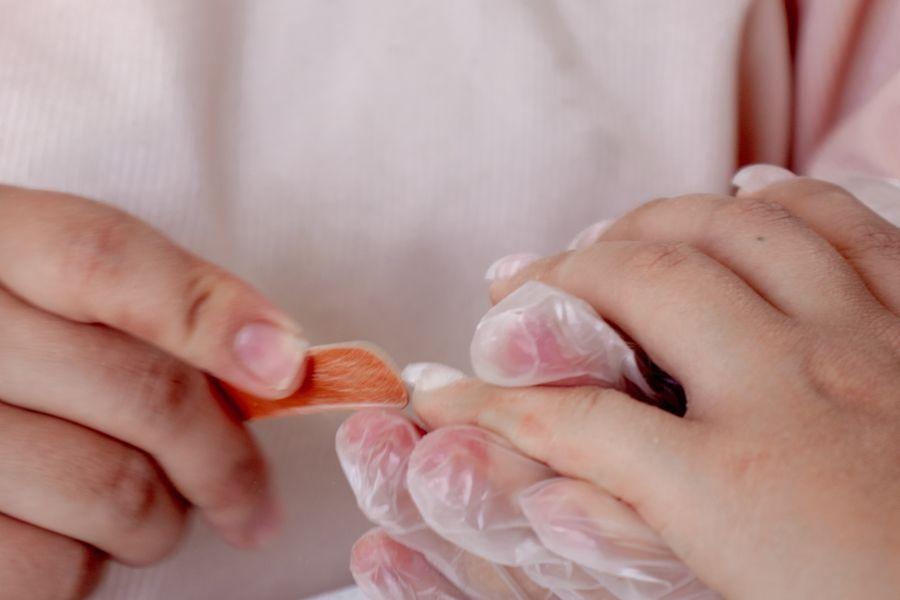
A fill is not just adding product near the cuticle. Your technician first evaluates the existing set, reduces excess length or thickness if needed, removes any lifted material, and prepares the new growth area. Fresh acrylic is then blended into the existing enhancement so the nail regains a smooth transition and balanced structure.
This is also the time to change color, adjust shape, shorten the nails, or refine the design. If too much product is lifting, damaged, or poorly balanced, the technician may recommend removing and rebuilding a nail rather than covering the problem. That is a quality decision, not a failure of the service.
Consistent fills usually make acrylic maintenance more predictable because small issues can be corrected before they become large ones. Skipping appointments often turns a straightforward fill into a more involved repair or removal session.
What Makes Acrylic Nails Last Longer or Shorter
Your daily routine has a major effect on wear. Frequent contact with water, cleaning chemicals, boxes, tools, gym equipment, or repetitive pressure can challenge any enhancement. Using the tips of acrylic nails to open cans, scrape labels, or pry objects creates leverage they were not designed to handle.
Nail length matters too. Longer acrylics look dramatic, but they experience more leverage when the tip is bumped. If your priority is durability and low-maintenance wear, a shorter length with a practical shape can be easier to manage.
Application quality is another factor. Proper preparation, correct product ratio, balanced structure, and clean placement help the acrylic stay secure. Maintenance cannot fully compensate for an enhancement that was poorly applied in the first place.

Signs You Need a Fill, Repair, or Removal
Visible growth alone usually points toward a fill. A cracked enhancement, a nail that has lifted significantly, or a painful impact may need a repair instead. If product has separated from the natural nail, do not press it back down with household glue. Separation can trap moisture and makes it harder to see what is happening underneath.
If multiple nails are lifting, the product is very overgrown, or you want to change enhancement systems, a full removal and fresh set may be more sensible. Your nail technician can make that call after seeing the condition of the current acrylic.
Pain is not a normal maintenance signal. If the natural nail or surrounding skin is sore, swollen, discolored, or irritated, cosmetic service should pause until the problem is understood.
Acrylic Aftercare Between Appointments
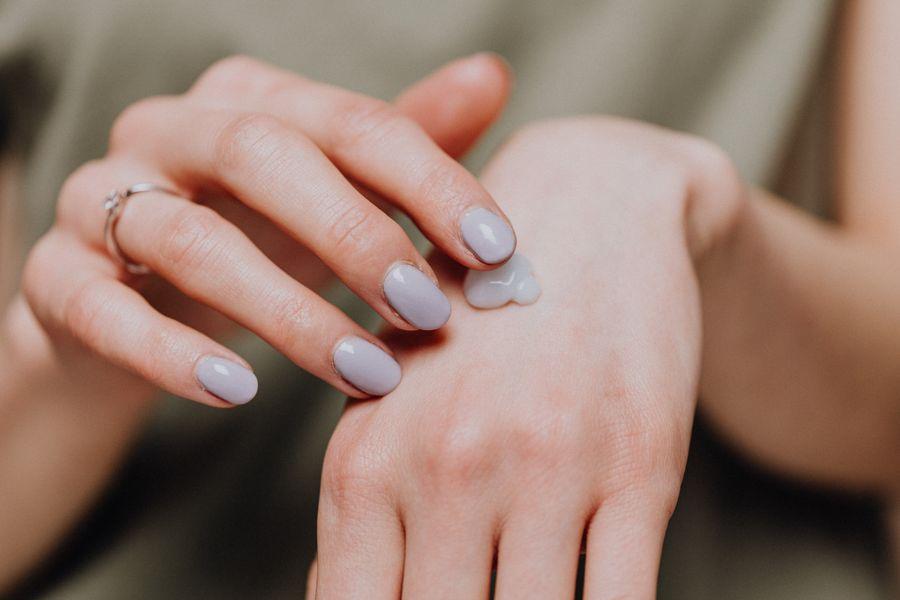
Simple habits make a noticeable difference. Wear gloves for cleaning and prolonged water exposure. Use hand moisturizer and cuticle oil to keep the skin around the nails comfortable. File only small rough edges if your technician has shown you how, and avoid dramatically reshaping the sidewalls or stress area at home.
If you notice a small snag, book a repair instead of picking at it. Peeling product away from the nail can remove natural nail layers and create a larger weak spot. The same applies when you are ready to stop wearing acrylics. Professional removal is worth the time because it protects the natural nail from unnecessary force.
You can also make maintenance easier by choosing a length that fits your routine. A set that constantly gets in the way is more likely to be stressed between appointments, even if you love the way it looks on day one.
Can You Wear Acrylic Nails Long Term?
You do not necessarily need to remove acrylics after a fixed number of weeks simply because a calendar says so. With professional maintenance, individual nails can be rebalanced, repaired, or replaced as needed. What matters is the condition of the natural nail and surrounding skin, the integrity of the enhancement, and whether proper removal is used when a reset is needed.
If your nails feel increasingly thin, sensitive, or damaged after repeated services, talk with your technician about what may be causing it. Aggressive filing, picking, and forced removal are common reasons natural nails feel worse after enhancements. A service plan should support both the look you want and responsible maintenance.
If you are planning your first set or deciding whether your current acrylic length is practical, review Kalos & Muse nail services and bring a reference photo to your appointment. A technician can help you choose a shape and maintenance schedule that fits how you actually use your hands.
How to Tell If Your Acrylic Length Fits Your Lifestyle
Acrylic durability is partly about product and partly about proportion. If the nails are much longer than what your daily routine comfortably supports, even a technically strong set can feel fragile because the tips experience more leverage. Pay attention to which activities make you change the way you use your hands. If you are constantly protecting your nails while typing, dressing, cooking, or working out, shortening them slightly may improve both comfort and wear.
You can keep the same overall style while adjusting length. A short almond, medium coffin, or compact square set can still look intentional. Bringing two reference photos, one for shape and one for realistic length, gives your technician more useful direction than asking for a trend name alone.
If one or two nails break repeatedly while the others stay intact, mention that pattern. It may point to a specific stress point, finger habit, or length issue that can be addressed during the next fill rather than simply rebuilding the same structure again.
Common Questions About Acrylic Longevity
Can acrylic nails last a month without a fill? They may remain attached, but attachment is not the only measure of maintenance. Natural nail growth changes the placement of the enhancement over time, so a set can become overgrown even when it has not lifted. A regular fill schedule keeps the structure balanced and gives the technician a chance to correct small issues early.
Do acrylic nails have to be removed every time you change color? Usually not. During a fill, the surface can often be refined and the color or design changed while the underlying enhancement remains in good condition. Full removal is more likely when the set has extensive lifting, the structure needs a reset, or you want to switch systems.
What should you do if an acrylic nail breaks? If part of the enhancement cracks or tears, avoid pulling on it. Protect the finger from further snagging and schedule a repair. If the natural nail underneath is painful or injured, the priority is comfort and proper care rather than immediately rebuilding the cosmetic nail.
Planning Acrylic Maintenance Around Events and Travel
If you are wearing acrylics for a wedding, vacation, photoshoot, or another event, avoid waiting until the last possible day for a major shape change. Booking a routine fill shortly before the event is usually more predictable than arriving with an overgrown set that needs extensive repair. If you want a dramatic new length or shape, give yourself enough time to get used to it before the important date.
Travel can also change how nails wear. Luggage, beach days, swimming, and unfamiliar daily routines often put different pressure on a set than normal life at home. A slightly shorter length may be worth considering if the trip will be active. Packing a small nail file for an unexpected rough edge is useful, but avoid bringing glue or trying to perform structural repairs yourself.
When you return, look at the whole set rather than only the color. Check for growth, lifting, cracks, or nails that feel different after travel. A maintenance appointment can refresh the appearance and correct small issues before they become reasons for a full replacement.
Want acrylic nails that stay balanced and polished between visits? Explore Kalos & Muse nail services in Richardson and schedule your next set, fill, or maintenance appointment with a plan that fits your lifestyle.