Start With What Your Natural Nails Are Already Doing
Choosing a nail shape is easier when you begin with your natural nail rather than with a trend photo. Look at the width of your nail plate, the curve of the sidewalls, how much free edge you normally keep, and whether your nails tend to bend, split, or grow strongly. Those details affect how easily a shape can be created and maintained.
A professional nail artist can refine the shape you want without forcing every nail into exactly the same geometry. The goal is visual consistency across the hand. That may mean softening one corner, adjusting the taper, or keeping a slightly shorter length on a finger that takes more daily impact.
Round and Squoval: Easygoing Shapes for Everyday Wear
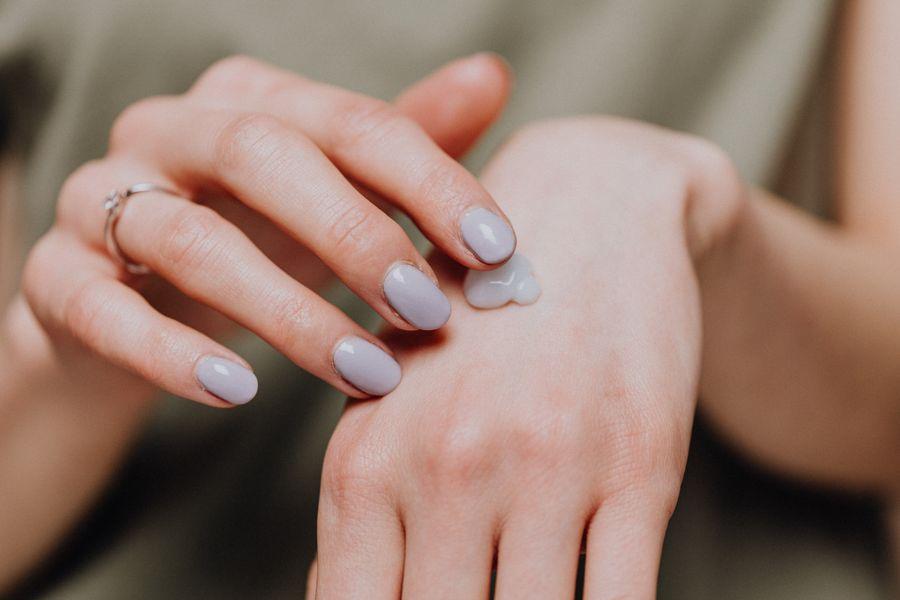
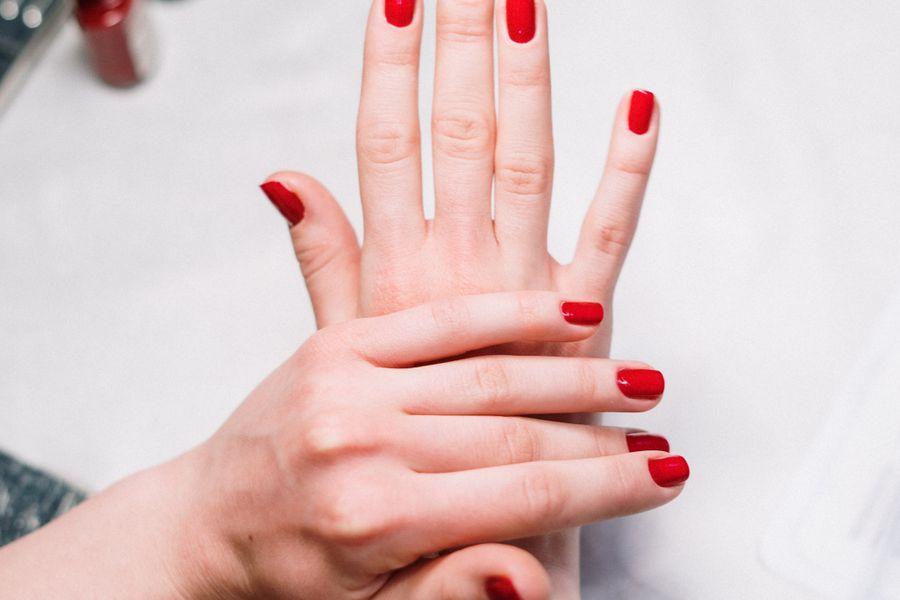
Round nails follow the natural curve of the fingertip and are especially useful when you prefer a shorter length. There are no sharp corners, so the shape tends to feel smooth and simple during everyday tasks. It works well with sheer polish, solid color, small nail art, and low-maintenance manicures.
Squoval keeps some of the structure of a square nail but softens the corners. It is a useful middle ground for people who like a clean, straight-ish edge but do not want corners that feel too sharp. Both shapes can be flattering because they look intentional without requiring much extra length.
Square: Clean, Graphic, and Structured
Square nails have a flat tip and straighter sidewalls. The silhouette is crisp, which makes it a good match for French tips, solid colors, minimalist art, and modern neutral manicures. Short square nails can feel practical and polished, while longer square extensions create a stronger graphic effect.
The corners are part of the look, but they are also the part most likely to catch if you work heavily with your hands. If you love square but find the corners inconvenient, ask for a softer square or squoval variation rather than abandoning the shape entirely.
Oval and Almond: Softer Taper With More Length
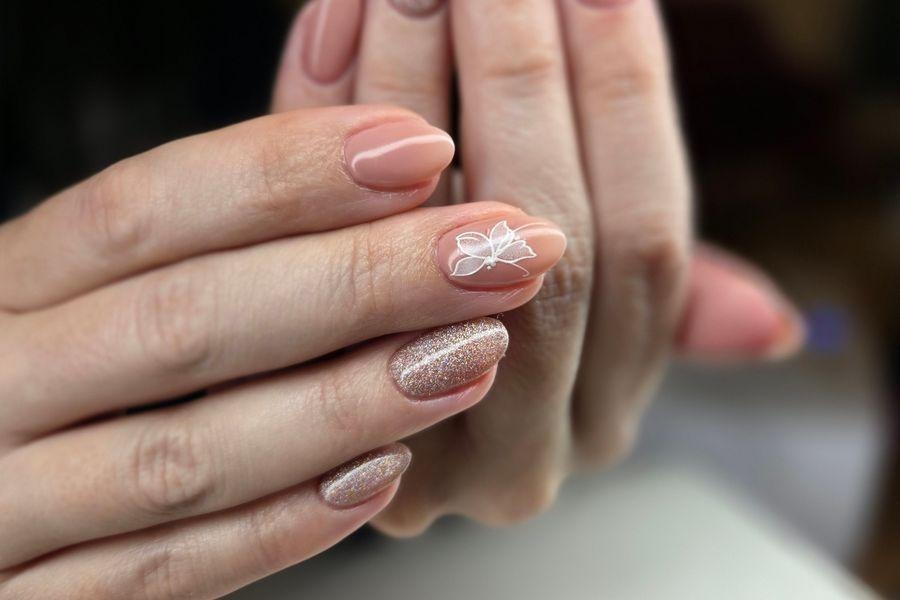
Oval nails taper slightly along the sides and finish with a rounded tip. The shape can create a longer-looking line while keeping the end soft. It usually needs a little more free edge than a round nail so the sides can narrow without making the nail too small.
Almond takes that taper further and finishes in a rounded peak. It is one of the most recognizable salon shapes because it can make length feel elegant rather than boxy. Almond usually works best at medium or longer lengths, which is why clients often choose an enhancement when their natural nails do not grow long enough to support the silhouette consistently.
Coffin and Stiletto: When Shape Is Part of the Statement
Coffin, sometimes called ballerina, narrows along the sides and ends with a flat tip. Stiletto narrows more dramatically into a pointed end. Both shapes depend on length for their proportions to read clearly, so they are commonly created with professional enhancements rather than very short natural nails.
These styles can provide more space for detailed art, chrome, ombré, or layered design. They also change how you use your hands. Contact lenses, typing, sports, childcare, instruments, cleaning, and frequent glove use can all feel different with extra length. Choosing one of these shapes is less about whether it is trendy and more about whether the length fits your real routine.
Your Hands Matter, but There Is No One Flattering Rule
You will see charts that assign one ideal shape to every finger type. Those can be useful for inspiration, but they are not rules. A tapered shape such as oval or almond can create a visually elongated line, while square shapes can emphasize width and structure. Neither effect is automatically better.
Personal style matters more. If you love short square nails, you do not need to switch to almond because a chart says it is more flattering. Your artist can adjust length, taper, corner softness, and width so the final result feels balanced on your hands.
Match the Shape to Your Lifestyle
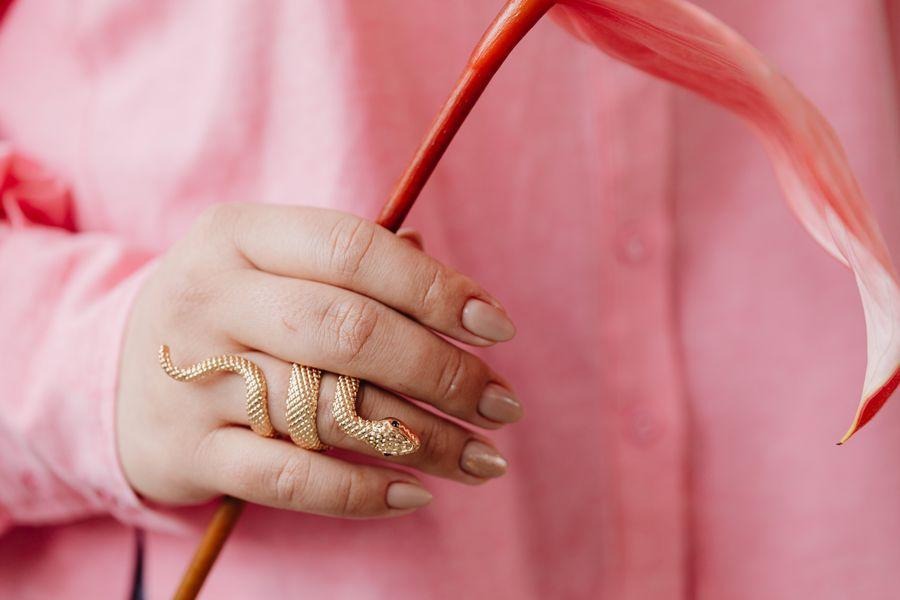
Your routine is often the best tie-breaker. If you type constantly, lift weights, garden, work in healthcare, or handle small objects all day, a shorter round, squoval, square, or compact oval may feel more natural. If you enjoy statement nails and are comfortable adapting how you use your hands, longer almond, coffin, or stiletto shapes may be worth the extra maintenance.
Tell your nail artist what your hands actually do. A sentence such as, 'I love almond, but I need to type comfortably all day,' is more useful than simply naming a shape. The final version might be a shorter almond with a softer taper, giving you the look you want without unnecessary length.
Natural Nails vs. Enhancements
Round, squoval, short square, and oval shapes can often be created directly on natural nails when there is enough free edge. Almond may also work naturally if your nails grow long and strong enough to support the taper. Coffin and stiletto generally become easier to create consistently with added length and structure.
If you want a shape your natural nails cannot currently support, Gel-X services or another professional enhancement may make sense. Explore nail services at Kalos & Muse and discuss the shape you want before deciding on the enhancement system. The service should support the shape, not the other way around.
How Length Changes the Same Nail Shape
A shape name does not describe the whole look. Short square nails and long square nails can feel completely different, just as a compact almond looks very different from an extra-long almond. Length changes how much taper is possible, how wide the tip appears, and how much space there is for art.
When you show a reference photo, look at both shape and length. If you want the almond silhouette but need a practical everyday set, ask for a shorter version and expect the taper to be softer. If you love coffin nails but do not want much length, your artist may suggest a soft square or tapered square that gives a similar structured feeling with better proportions.
Think About Nail Art Before Finalizing the Shape
Some designs benefit from specific proportions. A classic French tip reads clearly on square, squoval, almond, and oval nails, but the curve and width of the tip will change with the shape. Detailed florals or layered art have more room on longer nails, while short shapes often look strongest with smaller graphics, negative space, or simpler placement.
If nail art is a priority, tell your artist before the final shape is finished. They can preserve enough surface area for the design or recommend a shape that supports the composition you want. This is especially helpful when you are choosing between two shapes that both feel comfortable.
A Simple Consultation Checklist
Before the appointment, decide which factors matter most: natural-looking length, dramatic shape, easy typing, durability, room for art, or minimal maintenance. Rank those priorities rather than trying to maximize all of them at once. A very long pointed shape and ultra-low maintenance, for example, may not be realistic goals together.
At the salon, show your references and mention any past problems such as corners catching, tips feeling too long, or a taper looking too narrow for your taste. Small adjustments in length and filing can make a shape feel much more wearable. The best choice is the one you are still happy with several days into normal life.
Reassess the Shape as Your Routine Changes
The shape that works during one season of life may not be the shape you want forever. You might love longer almond nails for an event-heavy month and then switch to short squoval when work becomes more hands-on. Shape is easy to treat as a fixed identity, but it can be adjusted whenever your schedule, style, or natural nail condition changes.
Use each appointment as feedback. If the corners caught too often, if the length made typing uncomfortable, or if you wished the nail looked more tapered, tell your artist. Small changes over two or three appointments can help you find a version that feels more personal than simply repeating the most popular shape online.
Comfort is a useful final test. Before curing or finishing an enhancement, look at the nails from the front, side, and top. Make sure the length feels manageable and the shape looks consistent across both hands. It is much easier to refine a corner, shorten a tip, or soften a taper during the appointment than to live with a shape that never felt right from the start.
Frequently Asked Questions About Choosing Nail Shape
- What nail shape is easiest for short nails? Round, squoval, and short square are common options because they do not require much free edge.
- What is the difference between oval and almond? Oval has a softer rounded end, while almond narrows more noticeably toward a rounded peak.
- Do long nail shapes require extensions? Not always, but coffin and stiletto usually need enough length and structure that enhancements are commonly used.
- Should nail shape match finger shape? It can influence visual proportion, but comfort, personal style, and lifestyle are more important than rigid matching rules.
Not sure which shape will work best on your hands? Bring a few inspiration photos to Kalos & Muse in Richardson and talk with your nail artist about the length, structure, and maintenance level that fit your routine.
Tags: Nail Shapes, Best Nail Shape, Almond Nails, Square Nails, Round Nails, Nail Care, Nail Salon Richardson TX, Kalos & Muse