


A homemade face mask can turn an ordinary evening into a small ritual of care. It gives you a reason to slow down, pay attention to what your skin is doing, and choose a simple response instead of reaching for every active product on the shelf. For dry, sensitive, or tired-looking skin, that pause can be just as valuable as the mask itself.
The important word is simple. Natural ingredients are not automatically gentle, and a recipe from social media is not automatically safe for your skin. Citrus juice, baking soda, cinnamon, undiluted essential oils, and rough scrubs can cause irritation even though they come from familiar household sources. The best DIY masks use a short ingredient list, avoid aggressive exfoliation, and support comfort rather than promising to transform your skin overnight.
This guide offers three uncomplicated masks for common skin moods: dryness, sensitivity, and temporary dullness or fatigue. They are meant for occasional self-care on healthy, intact skin. They do not replace a regular routine, professional advice, or treatment for acne, eczema, rosacea, dermatitis, or any condition that is painful, persistent, or worsening.
Before You Mix Anything, Know What a Mask Can and Cannot Do
A mask sits on the surface of the skin for a limited amount of time. Depending on the ingredients, it may help the skin feel softer, reduce the sensation of tightness, or create a temporary plumper and fresher appearance. It can also make an evening routine feel more intentional. Those are worthwhile benefits, but they are different from treating an underlying skin condition or producing the cumulative results of professional care.
The skin barrier is your first consideration. This outer protective layer helps hold water in and keeps many irritants out. When it is functioning well, skin tends to feel comfortable and flexible. When it is disrupted, even products that normally feel mild can sting. A DIY mask should reduce the demands on the barrier, not challenge it with strong acids, abrasive particles, fragrance, or too many ingredients at once.
This is also why more is not better. Leaving a mask on until it cracks, adding extra exfoliating ingredients, or repeating the same mask every day can turn a gentle idea into a source of irritation. Think of a mask as a supportive addition to cleansing, moisturizing, and daily sun protection. Our completed guide, At-Home Skincare Habits That Support Professional Treatments, explores how the rest of your routine protects and extends the benefits of consistent care.
Five Safety Rules for Every DIY Face Mask
- Patch test first. Apply a small amount to the inner arm or another discreet area and watch for redness, itching, swelling, or burning before using it on your face.
- Use clean tools and fresh ingredients. Wash your hands, bowl, and spoon before mixing. Make only enough for one use and discard the rest rather than storing a preservative-free mixture.
- Keep the formula short. Two or three well-chosen ingredients are easier to evaluate than a crowded recipe. A long ingredient list also creates more opportunities for irritation or allergy.
- Stop at the first sign of discomfort. A mask should not burn, sting, or make your skin feel hot. Rinse it away immediately with cool or lukewarm water if any of those sensations begin.
- Skip masks around procedures. Do not experiment with DIY recipes immediately before or after laser, microneedling, chemical peels, injectables, or other professional treatments. Follow the aftercare provided by your practitioner.
If you have known food allergies, botanical allergies, very reactive skin, open areas, sunburn, or an active rash, it is better to skip a homemade mask. Fragrance-free products formulated for sensitive skin are easier to standardize, and a qualified professional can help you identify what your skin actually needs.

Mask 1: Oat and Honey Comfort Mask for Dry Skin
Dry skin often feels tight, rough, or less flexible than usual. For this skin mood, the goal is not to scrub away flakes. It is to add water, reduce friction, and leave the surface feeling more comfortable. Finely ground plain oats create a soft base, while a small amount of honey helps the mixture hold moisture against the skin. Choose plain ingredients without flavoring, fragrance, or added spices.
- You will need: 1 tablespoon finely ground plain oats, 1 teaspoon honey, and enough cool or lukewarm water to create a soft paste.
- How to use it: Mix immediately before use. Apply a thin layer to freshly cleansed, damp skin without rubbing. Leave it on for 8 to 10 minutes, keeping the mask slightly moist. Rinse gently and follow with your regular fragrance-free moisturizer.
The texture matters. Whole oat flakes can drag across the skin, so grind them until they feel almost powdery. When removing the mask, soften it with water first instead of using it as a scrub. If honey has ever caused a reaction for you, omit it and use only oats and water. The simpler version can still create a soothing, cushiony experience.
This mask is most useful when dryness is mild and temporary, such as after air travel, indoor air conditioning, or a change in weather. If the skin is cracked, intensely itchy, inflamed, or repeatedly dry despite a gentle routine, a mask is not the next step. Persistent dryness deserves professional evaluation because it may reflect dermatitis, eczema, product irritation, or another concern that needs a more specific plan.
Mask 2: Oat and Aloe Soothing Mask for Sensitive Skin
Sensitive skin benefits from predictability. A good mask for this skin type should feel bland in the best possible way. Plain finely ground oats provide the base, while a small amount of fragrance-free aloe gel adds a cooling texture. Read the aloe label carefully, since many brightly colored gels contain fragrance, alcohol, or multiple botanical extracts that can work against the calming goal.
- You will need: 1 tablespoon finely ground plain oats, 1 teaspoon fragrance-free aloe gel, and 1 to 2 teaspoons cool water.
- How to use it: Stir until smooth, then apply a very thin layer to clean skin. Leave it on for 5 to 8 minutes. Rinse before the mixture begins to dry, pat with a soft towel, and apply a simple moisturizer.
For sensitive skin, the patch test is especially important. Botanical ingredients can trigger contact reactions, and a product labeled natural can still contain compounds your skin dislikes. Use the same aloe product during the patch test that you plan to use in the mask. Do not add essential oils for scent, and do not include lemon, apple cider vinegar, or baking soda in an attempt to balance the skin.
If your face is already burning, swollen, very red, or covered in a new rash, skip the mask completely. Rinse away recent products, simplify your routine, and seek medical guidance if symptoms are significant or do not settle. Sensitive skin responds best when you reduce variables instead of introducing another one.
Mask 3: Green Tea and Aloe Refresh Mask for Tired-Looking Skin
Tired-looking skin is often less about a single skin problem and more about the visible effects of a long day, poor sleep, dehydration, stress, or temporary puffiness. A cool green tea and aloe mixture will not erase those causes, but it can create a refreshing pause and leave the surface looking calmer and more awake for a short time.
- You will need: 1 tablespoon strongly brewed plain green tea that has cooled completely, 1 teaspoon fragrance-free aloe gel, and an optional teaspoon of finely ground oats if you prefer a thicker texture.
- How to use it: Mix the ingredients and chill the bowl for a few minutes, but do not freeze it. Apply with clean fingertips or soft cotton pads. Leave it on for 5 to 8 minutes, rinse gently, then moisturize.
Keep the tea plain. Added citrus flavor, mint, fragrance, or sweeteners introduce ingredients that are unnecessary on the face. The cool temperature should feel comfortable, not icy. Very cold applications can be unpleasant for reactive skin and do not make the mask more effective.
The most useful part of this mask may be the ritual around it. Drink water, step away from a bright screen, lower the lighting, and take slow breaths while it rests. The finished look may be temporary, but the practice can still help you move from a rushed part of the day into a calmer one.
How to Choose Based on What Your Skin Is Doing Today
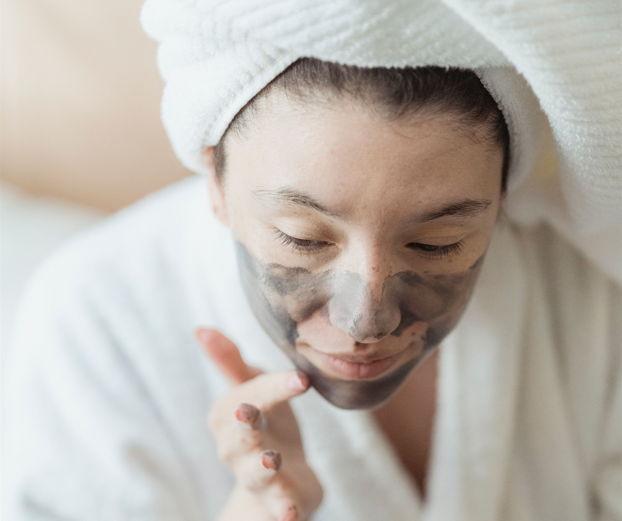
Choose the dry-skin mask when tightness and roughness are the main concerns. Choose the sensitive-skin version when your priority is minimizing stimulation and keeping the formula as plain as possible. Choose the green tea version when your skin is generally comfortable but looks temporarily dull or tired. Do not combine all three recipes. Matching one simple formula to one current concern is safer than creating a mask that tries to do everything.
Frequency should stay modest. Once a week is enough for most people, and less often may be better if you use retinol, exfoliating acids, acne treatments, or prescription products. A mask should not leave you needing several days to recover. If your skin feels drier, more reactive, or congested afterward, stop using that recipe even if the ingredient list appears gentle.
Your daily routine remains the foundation. Cleanse without stripping, moisturize consistently, and protect your skin from the sun. For a deeper look at ingredient selection, our completed post Top Ingredients to Look for in Skincare Products explains how to evaluate labels without chasing every trend. The same principle applies here: choose ingredients for a reason, not because they happen to be popular.
When a Professional Treatment Makes More Sense
DIY masks are best for brief comfort and quiet self-care. They are not designed to correct persistent pigmentation, acne scarring, significant texture, ongoing redness, loss of firmness, or repeated barrier problems. Those concerns benefit from a professional assessment because the treatment can be adjusted to your skin type, history, current routine, and tolerance.
At Kalos & Muse, our skin rejuvenation treatments combine personalized facials with advanced options selected for your goals. You can also explore the broader spa and medspa experience when you are ready for care that goes beyond what a kitchen mixture can provide.
The most balanced approach leaves room for both. A simple mask can make an ordinary evening feel intentional, while professional care provides the expertise, consistency, and treatment depth needed for longer-term goals. Listen to your skin, keep the recipe gentle, and let comfort guide the experience.
Ready for a personalized plan that matches what your skin truly needs? Book a consultation at Kalos & Muse and let our team recommend the right facial, home routine, and treatment rhythm for you.