




.jpg)
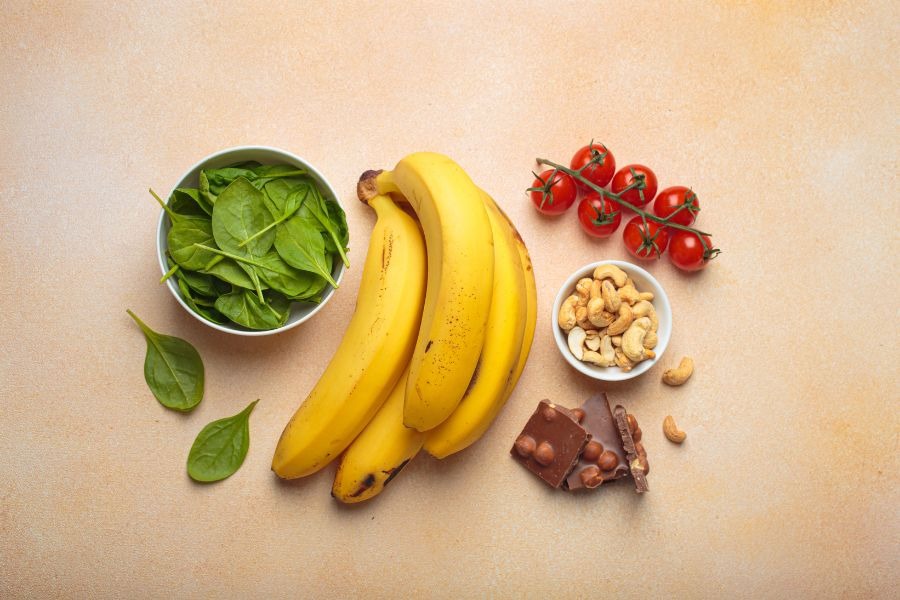
Most people think about skin care as something that happens in a bathroom. Cleansers, serums, moisturizers, SPF. And yes, what you apply to your skin matters. But the condition of your skin is also a direct reflection of what is happening inside your body: how well you are nourished, how hydrated you are, how much inflammation is running in the background, and whether your cells have what they need to renew themselves properly.
This is not a wellness cliche. It is biology. The skin is a living organ that depends on a continuous supply of nutrients to function, regenerate, and defend itself. When those nutrients are consistently available, the skin performs well. When they are not, it shows: in dullness, in slow healing, in persistent breakouts, in a texture that no amount of topical care seems to fully resolve.
At Kalos & Muse, the inside-out approach to beauty is central to how we think about skin health. Our wellness cafe, our IV therapy offering, and the guidance our aestheticians share at every visit all reflect the belief that what you consume is as relevant to your complexion as any treatment you receive. Here is a practical look at what the research actually tells us about nutrition and skin.
Your Skin Is Being Built From What You Eat
Skin cells are in a constant state of renewal. The outermost layer of your skin is shed and rebuilt on a roughly monthly cycle, and the quality of each new layer depends on the raw materials your body has access to. Protein provides the amino acids needed to build new cells and synthesize the structural proteins that give skin its strength and form. Without adequate protein intake, this renewal process slows and the skin takes on a thin, fatigued quality that topical products cannot fully correct.
Collagen is the protein most associated with skin firmness and resilience, and your body manufactures it internally through a process that requires specific co-factors from your diet. Vitamin C plays a central role in that synthesis pathway: without it, collagen production is impaired regardless of how many collagen-boosting serums are in your routine. This is one reason why dietary vitamin C, from sources like bell peppers, citrus, kiwi, and strawberries, has a direct bearing on how your skin looks and holds up over time.
Zinc is another nutrient that consistently appears in the skin health research. It is involved in cell repair, in the regulation of oil production, and in the skin's ability to manage the bacterial environment that contributes to acne. People with chronically low zinc levels often struggle with persistent breakouts and slow healing, and neither issue fully resolves until the nutritional gap is addressed. Pumpkin seeds, legumes, beef, and shellfish are all reliable dietary sources.
The Role of Fats: Not All Are Equal
For a long time, dietary fat carried an undeserved reputation as something to minimize. The research tells a more nuanced story, particularly when it comes to skin health. Certain fats are not just permissible but genuinely necessary for your skin to function well.
Essential fatty acids, specifically the omega-3 group, are fats the body cannot manufacture on its own and must obtain through food. These fats are woven into the structure of every cell membrane in the body, including skin cells. When they are present in adequate amounts, the skin tends to be more resilient, better able to retain moisture, and less prone to reactive flaring. When they are chronically low, the skin often presents as rough, prone to redness, and easily irritated by products or environmental changes.
Salmon, mackerel, sardines, flaxseed, chia seeds, and walnuts are among the richest dietary sources of omega-3 fatty acids. For clients who do not consistently eat oily fish, a high-quality supplement is worth considering and can produce noticeable changes in skin texture and reactivity within a few weeks of consistent use.
On the other side of the equation, diets heavy in refined vegetable oils and processed foods tend to push the body toward a state of low-grade inflammation. This shows up in the skin over time as increased sensitivity, a tendency toward redness, and an acceleration of the breakdown of collagen that contributes to premature aging. It is less about any single food being harmful and more about the overall dietary pattern and what it signals to your body on a systemic level.

Inflammation: The Quiet Driver of Skin Problems
Chronic low-grade inflammation is one of the most significant and underappreciated contributors to skin aging and skin conditions alike. Acne, rosacea, hyperpigmentation, and accelerated collagen degradation all have an inflammatory component. And the daily dietary choices you make either turn the volume up or down on that inflammatory activity.
Foods with a high glycemic load, meaning those that cause a rapid rise in blood sugar, trigger a hormonal cascade that includes elevated insulin and androgen levels. Elevated androgens stimulate the sebaceous glands to produce more oil and increase the likelihood of breakouts. This is why clients with acne-prone skin often notice a correlation between high-sugar eating patterns and skin flare-ups, even if they are maintaining a solid topical routine.
Processed and ultra-refined foods tend to be low in the antioxidants that neutralize oxidative stress in the skin. Oxidative stress, caused by free radicals from UV exposure, pollution, and metabolic byproducts, is one of the primary drivers of collagen breakdown and visible aging. A diet rich in colorful plant foods provides a broad spectrum of antioxidants, including vitamins A, C, and E along with polyphenols and carotenoids, that help counteract this damage at the cellular level.
This does not mean following a rigid or restrictive diet. It means that over the course of a week, the majority of what you eat is working with your skin rather than quietly adding to the burden your body has to manage.
Hydration Goes Deeper Than Moisturizer
The cosmetics industry has done an excellent job of centering hydration as a skincare concern, but the conversation is almost always focused on what you put on your skin. The more foundational question is how well hydrated your body actually is at the cellular level, and that is determined by what you drink throughout the day.
When the body is consistently well hydrated, skin cells are plump and metabolically active. Nutrient delivery to skin tissue is more efficient. The skin's natural processes, including temperature regulation, toxin clearance, and barrier maintenance, all run more smoothly. When the body is chronically under-hydrated, even subtly, the skin is among the first places it shows: in a slightly flat or crepey texture, in more pronounced fine lines, and in a general lack of the luminosity that comes from genuinely healthy, well-functioning skin.
Electrolyte balance matters alongside fluid intake. Sodium, potassium, and magnesium help your cells hold and utilize water effectively. Drinking large amounts of plain water while running low on electrolytes can still leave the body and skin functionally dehydrated at the cellular level. This is one reason that hydrating beverages formulated with trace minerals and electrolytes often produce more noticeable results than water alone.
At Kalos & Muse, hydration is a throughline in everything from our treatment protocols to our cafe menu. Our wellness drinks are specifically chosen for their ability to support the body's hydration and nutritional status in ways that show up in the skin. For a closer look at which drinks make the most meaningful difference, our post on top cafe drinks that support glowing skin goes into the specifics.
How Nutrition Shapes the Outcome of Professional Treatments
One thing clients rarely hear about is how directly their nutritional status affects the results they get from professional skin treatments. This connection is real and clinically relevant.
Treatments that work by stimulating the skin's own repair processes, including laser resurfacing, microneedling, and certain chemical peels, depend on the body's ability to mount a proper healing response. That response requires adequate protein, vitamin C, zinc, and essential fatty acids. A body that is running low on any of these is going to produce a slower, less robust healing response, which means the remodeling that drives the visible improvement from these treatments is diminished.
Put simply: the better nourished you are going into a treatment, the more effectively your skin can capitalize on the stimulus that treatment provides. Clients who are well hydrated, eating a nutrient-dense diet, and managing their inflammatory load consistently see better results from professional treatments than those who are not, even when the same treatment is performed by the same provider with the same technique.
For clients who want to optimize their nutritional status more directly, our IV therapy delivers a targeted blend of vitamins, minerals, and hydration straight into the bloodstream, bypassing the digestive system for faster and more complete absorption. This is particularly useful before or after treatments that call on the skin's repair capacity, or for clients whose digestion may be limiting how well they absorb nutrients from food alone.

Practical Changes That Make a Real Difference
Eating for your skin does not require an overhaul of everything you eat. The most meaningful shifts tend to be additive rather than restrictive, and the benefits accumulate over weeks and months rather than appearing overnight. These are the changes that consistently show up in both research and in the experience of our clients at Kalos & Muse.
• Add a source of omega-3 fats to your diet most days, whether through fatty fish, walnuts, flaxseed, or a quality supplement
• Prioritize protein at every meal to support cell renewal and collagen production, aiming for a consistent daily intake rather than occasional high amounts
• Eat a wide range of colorful vegetables and fruits throughout the week to cover your antioxidant bases without having to track individual nutrients
• Begin each morning with water before anything else, and maintain that habit throughout the day
• Scale back on high-glycemic foods if breakouts or redness are persistent concerns
• Consider a collagen peptide supplement and give it at least eight weeks of consistent use before evaluating the result
• Pay attention to how your skin behaves in the days following meals that are heavy in sugar, alcohol, or refined foods
The Bigger Picture at Kalos & Muse
Beautiful skin is the result of multiple systems functioning well at the same time. Professional treatments, a consistent home routine, quality sleep, stress management, and what you eat and drink all play a role. Nutrition is one of the most foundational of those systems, and it is also one of the most directly within your control on a daily basis.
The clients who see the most lasting, genuine improvements in their skin are almost always the ones who approach it from both directions: investing in professional care and being intentional about what they put into their bodies. The two reinforce each other in ways that neither can fully achieve on its own.
If you are ready to take a more complete approach to your skin health, explore our full range of services on our spa services page. And if you want to understand more about building the kind of self-care foundation that supports lasting results, our post on why self-care is not selfish is a good companion read.
Ready to support your skin from the inside out? Visit the Kalos & Muse wellness cafe and explore our menu of skin-nourishing drinks, or book a consultation to build a complete plan that brings professional treatments, home care, and nutritional support together. Visit kalosmuse.com to get started.
Tags: Nutrition and Skin, Skin Health, Beauty from Within, Collagen, Anti-Inflammatory Diet, Hydration, IV Therapy, Wellness, Richardson TX


.jpg)