




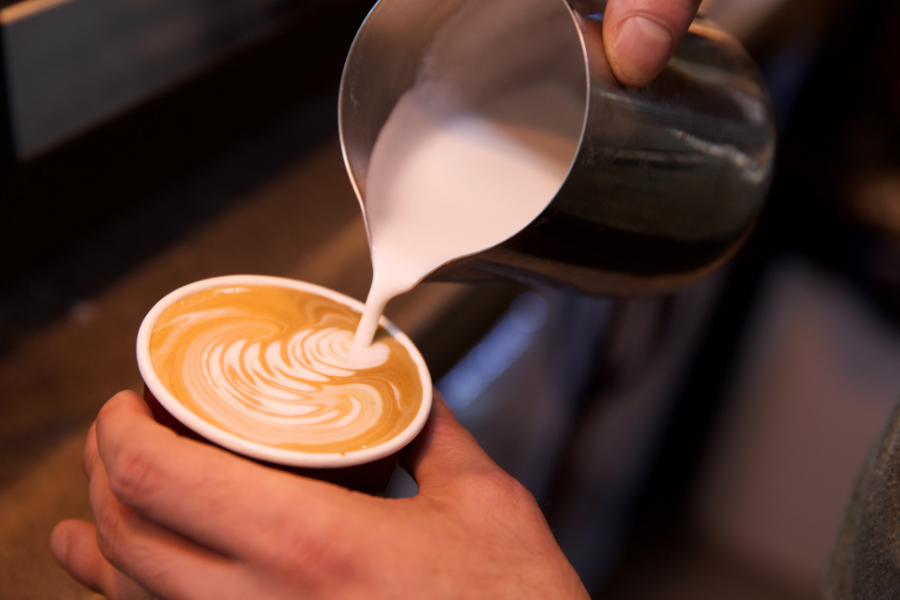
Few daily rituals carry as much weight as the first cup of something warm in the morning. For most people, coffee or tea is not just a beverage. It is a signal that the day has properly begun, a moment of pause before the demands of the day take over, and for many, the single most consistent ritual in their entire routine. Given how central this habit is, it is worth understanding what is actually happening in that cup, and how small, informed choices can make this daily ritual genuinely supportive of your skin and overall wellness rather than neutral or working against it.
At the Kalos & Muse wellness cafe, we think about every drink on our menu through this lens. Coffee and tea are not simply caffeine delivery systems. They are complex beverages with genuine nutritional properties, and the way they are prepared, what they are paired with, and how much of them you consume all influence whether they are contributing positively to your health or quietly working against your goals. Here is what our team wants you to know.
Coffee: The Antioxidant Case Often Overlooked
Coffee has a complicated public reputation. It is sometimes treated as a guilty pleasure, sometimes as a performance-enhancing necessity, and rarely discussed for what it actually is from a nutritional standpoint: one of the richest sources of antioxidants in the average diet. Research has consistently found that for many people, coffee contributes more total antioxidant capacity to their daily intake than fruits and vegetables combined, simply because of how much of it is consumed relative to other antioxidant-rich foods.
The specific compounds responsible, chlorogenic acids and polyphenols, have been associated in research with reduced inflammation and protective effects against the oxidative stress that contributes to skin aging and a range of chronic conditions. This does not mean coffee is a skincare product, but it does mean that the antioxidant contribution of a well-prepared cup of coffee is genuinely meaningful and often underappreciated.
Where coffee becomes a liability rather than an asset is in what gets added to it and how much of it is consumed. A coffee built around large quantities of sugar, flavored syrups, and heavy cream delivers a significant glycemic load that can trigger the inflammatory cascade associated with breakouts and accelerated skin aging, effectively cancelling out the antioxidant benefit of the coffee itself. The coffee is rarely the problem. The additions usually are.
Quantity matters too. Most research on coffee's health benefits points to a moderate intake, generally considered to be two to three cups per day, as the range associated with the most consistent positive outcomes. Beyond this range, the benefits plateau while the downsides, including disrupted sleep, increased cortisol, and dehydration if not balanced with adequate water intake, begin to accumulate.
Building a Better Coffee Order
If coffee is a non-negotiable part of your morning, a few adjustments can shift it from a neutral or mildly counterproductive habit into a genuinely beneficial one.
Choose a quality source. Specialty-grade coffee, properly roasted and prepared, contains a higher concentration of beneficial compounds than lower-grade commodity coffee that has often been roasted past the point where its antioxidant content is preserved. This is one area where paying slightly more for quality genuinely produces a different product, not just a different experience.
Reconsider your additions. If you typically add flavored syrup, consider whether a smaller amount or a more natural sweetener like a touch of honey or a dash of cinnamon could satisfy the same craving with less impact. If you add cream, consider whether a smaller quantity or a plant-based alternative changes how your body processes the drink.
Add a functional boost. Collagen peptides dissolve easily into hot coffee without altering the taste meaningfully and provide the amino acids your body uses to build its own collagen. This has become one of the most popular additions among clients who want their morning coffee to do double duty as a skin-supportive ritual rather than simply a caffeine delivery.
Time it intentionally. Drinking coffee on an empty stomach can spike cortisol more significantly than drinking it after some food, and the resulting jitteriness or crash some people experience is often related more to this timing than to the coffee itself. Pairing your coffee with a small amount of protein or fat can smooth out the experience considerably.

Tea: A Different Kind of Ritual
Tea offers a different profile of benefits than coffee and deserves its own consideration rather than being treated simply as a lower-caffeine alternative. The specific compounds present vary significantly across tea types, and understanding these differences allows you to choose intentionally based on what you are hoping to support.
Green tea is particularly notable for its concentration of EGCG, a catechin compound that has been studied extensively for its antioxidant and anti-inflammatory properties. Some research has associated regular green tea consumption with improved skin elasticity and reduced UV-related oxidative damage, making it a genuinely relevant addition to a skin-focused wellness routine. The moderate caffeine content, generally lower than coffee, combined with L-theanine, an amino acid that promotes a calm alertness, gives green tea a more even energy profile than coffee for many people.
White tea, the least processed of the true teas, retains an even higher concentration of certain antioxidants than green tea in some research, though its more delicate flavor profile makes it less universally appealing. For those who enjoy it, white tea offers one of the gentlest, most antioxidant-dense options available.
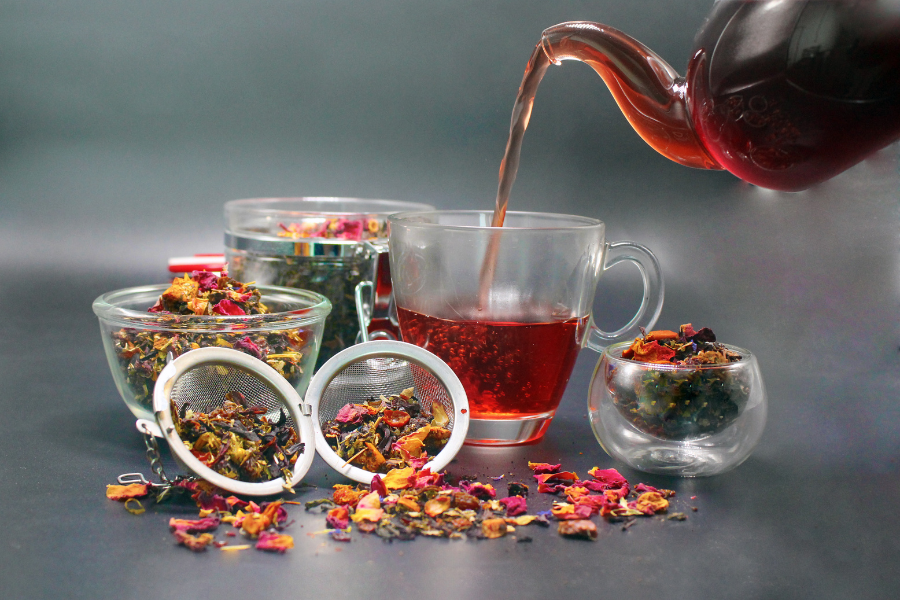
Herbal teas, technically not tea at all since they do not derive from the Camellia sinensis plant, offer an entirely caffeine-free category with their own functional properties. Chamomile is well documented for its calming, mildly sedative effects, making it a natural choice for an evening wind-down ritual. Hibiscus is rich in vitamin C and anthocyanins and has been associated in research with mild blood pressure benefits. Peppermint supports digestion and offers a refreshing, palate-cleansing quality that works well after meals.
Rooibos, an increasingly popular herbal option from South Africa, is naturally caffeine-free and contains aspalathin, a unique antioxidant compound studied for its potential anti-inflammatory properties. Its naturally sweet, slightly nutty flavor makes it an appealing option for those transitioning away from caffeinated beverages without wanting to sacrifice flavor complexity.
Matching Your Drink to Your Goals
Different moments in your day call for different beverages, and thinking about this intentionally rather than defaulting to the same drink regardless of context allows your daily ritual to actually support what you are trying to achieve.
For a morning that requires sustained focus, a well-prepared coffee or a strong green tea, consumed alongside some protein, supports the kind of even energy that carries through a demanding morning without the crash associated with consuming caffeine on an empty stomach or in excessive quantity.
For an afternoon energy dip, a lighter option like a matcha latte provides a moderate caffeine boost alongside L-theanine for a calmer, more sustained lift than reaching for a second strong coffee, which can disrupt sleep if consumed too late in the day.
For an evening wind-down, a caffeine-free herbal blend, whether chamomile, rooibos, or a calming custom blend, signals to your body that the day's stimulation is ending and supports the kind of relaxation that leads into good sleep. This ritual, performed consistently, becomes a genuine cue for your nervous system to begin downshifting.
For skin-specific support, beverages built around collagen, vitamin C-rich hibiscus, or antioxidant-dense green and white teas offer the most direct nutritional connection to skin health, though the consistency of the habit matters more than any single cup.
The Wellness Cafe at Kalos & Muse
Our cafe menu reflects this same philosophy of intentional beverage choice. Every drink we offer has been developed with a specific purpose in mind, whether that is supporting hydration before a treatment, providing a calming moment after one, or simply giving you a genuinely nourishing option to start or end your day. We believe the experience of what you drink should be as considered as the experience of any treatment you receive in our spa. For more on the connection between what you consume and how your skin looks, our post on the connection between nutrition and beautiful skin goes deeper into the broader nutritional picture, and our post on why hydration matters covers the role of water-based beverages alongside coffee and tea in a complete wellness routine.
Whether you are a committed coffee person, a devoted tea drinker, or someone who moves between both depending on the day, the goal is not to eliminate the rituals you love. It is to bring the same intention to them that you bring to every other part of your wellness practice. A cup of something warm, prepared thoughtfully and consumed with presence, is one of the simplest and most consistent forms of self-care available to nearly everyone, every single day.
Visit the Kalos & Muse wellness cafe and explore our curated selection of coffee, tea, and functional beverages designed to support your skin and overall wellness. Pair your next visit with a drink that genuinely nourishes you. Visit kalosmuse.com to learn more.
Tags: Coffee, Tea, Wellness Beverages, Antioxidants, Green Tea, Collagen Coffee, Wellness Cafe, Richardson TX

.jpg)
.jpg)