
Relaxation is often treated as something that happens only when the schedule is clear, the room is quiet, and someone else has created the right atmosphere for you. That can make calm feel like a special event rather than a skill you can access in ordinary life. Mindful relaxation offers a different approach. It uses simple, repeatable practices to help you notice where you are, release unnecessary tension, and respond to the moment with a little more space.
You do not need a meditation room, a long block of free time, or a perfectly quiet mind. Most of the techniques in this guide take between one and five minutes. Their value comes from repetition. A short practice used consistently can become a reliable signal that tells your body and attention it is safe to slow down, even when the day itself remains busy.
Think of these techniques as small transitions rather than another item on your wellness checklist. You can use one before opening your laptop, while sitting in the car before an appointment, after putting the children to bed, or during the few minutes before sleep. The goal is not to force yourself into a particular feeling. The goal is to become more present and less tightly held.
Mindful Relaxation Is a Skill, Not a Mood
Many people wait to relax until they already feel calm enough to do it. That is a little like waiting to feel strong before beginning to exercise. Mindful relaxation is practiced precisely because your mind may be busy and your body may be tense. The practice is the act of noticing those conditions without immediately fighting them.
Mindfulness means paying attention to what is happening now with curiosity instead of judgment. Relaxation means reducing effort that is not needed in the moment. Put together, mindful relaxation is less about emptying the mind and more about recognizing what you are carrying. You may notice your jaw is clenched, your shoulders are lifted, or your thoughts are moving several hours ahead. Awareness gives you the chance to soften one part of that pattern.
A useful expectation is that some days the practice will feel deeply calming, while other days it will simply help you pause before moving on. Both outcomes count. The moment you notice your experience and choose a more intentional response, you are practicing.
Start With the Breath
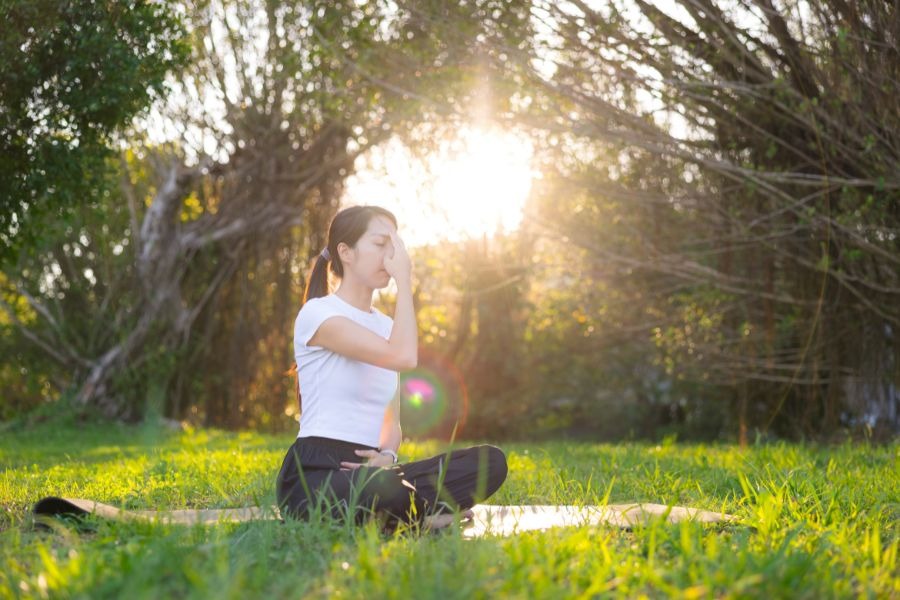
Breathing is the easiest place to begin because it is always available and requires no special setup. You do not need to take enormous breaths or count perfectly. In fact, forcing the breath can make some people feel more tense. The most comfortable approach is usually to let the inhale stay natural and make the exhale slightly slower.
Try this one-minute practice:
- Place both feet on the floor or let your body feel supported by the chair or bed beneath you.
- Notice one normal breath without changing it.
- Breathe in gently through your nose for a comfortable count of three or four.
- Breathe out slowly for a count that is one or two beats longer than the inhale.
- Repeat four to six times, keeping the breath smooth rather than deep.
- At the end, let your breathing return to normal and notice whether any area feels less tense.
The longer exhale is not a test. If counting makes you uncomfortable, simply think soft inhale and unhurried exhale. If you feel lightheaded, return to your normal breathing immediately. Comfort is more important than duration.
This technique works well before a conversation, during a busy afternoon, or while waiting for a page to load. Because it is subtle, you can practice it without stepping away from the day. Over time, the first slow exhale may become a familiar cue that helps you stop bracing and begin arriving.
Ground Yourself Through the Senses
Stress often pulls attention away from the present. You replay what already happened, predict what might happen next, or become absorbed in an internal list of unfinished tasks. Sensory grounding brings attention back to information that is happening right now.
Use the five senses as a simple sequence. Name five things you can see, four physical sensations you can feel, three sounds you can hear, two scents you can notice, and one taste or quality in your mouth. You do not need to search for interesting answers. A white wall, the pressure of your shoes, the sound of an air conditioner, the scent of soap, and the taste of water are enough.
Move slowly enough to actually register each detail. Instead of saying chair and rushing on, notice the shape of the chair, the way light falls across it, or the texture where your hand rests. Sensory detail occupies attention gently and can interrupt the feeling that you are being carried away by your thoughts.
For a shorter version, choose only three things: one thing you see, one thing you hear, and one sensation in the body. This is especially useful in public places or between meetings. The practice can take less than 20 seconds and still create a meaningful pause.
Release Tension From the Body
The body often holds effort long after it is useful. You may keep your shoulders lifted after finishing a difficult task or continue pressing your tongue against the roof of your mouth after a stressful conversation. A brief body scan helps you notice those small patterns and release what you can.
Begin at the face. Let the space between the eyebrows widen. Unclench the jaw and allow the teeth to separate. Let the tongue rest. Drop the shoulders away from the ears, soften the hands, and allow the stomach to move naturally with the breath. Finally, notice the feet and let them feel the surface beneath them.
You can also use gentle contrast. Tighten one area lightly for three seconds, then release it completely. Make a soft fist, hold, and let go. Lift the shoulders, hold, and lower them. Press the feet into the floor, hold, and release. The contrast can make relaxation easier to recognize because you feel the difference between effort and rest.
Keep the movement comfortable and skip any area that is painful or injured. This is not stretching or exercise. It is simply a way to give the body permission to stop doing work that the moment does not require.
Create Mindful Transitions Throughout the Day
One reason tension accumulates is that we move from one role to another without any clear transition. Work ends, but the mind keeps drafting emails during dinner. A commute finishes, but the body is still carrying the pace of traffic into the house. A short transition ritual can help one part of the day end before the next begins.
Choose a repeatable action that takes less than three minutes. You might wash your hands slowly when you arrive home, make a cup of tea without checking your phone, change into comfortable clothes and take three unhurried breaths, or sit in the parked car for one minute before opening the door. The action itself matters less than the intention attached to it.
Pair the action with a simple phrase such as work is finished for today, I can arrive here now, or this moment does not need to be rushed. The phrase is not meant to deny unfinished responsibilities. It gives your attention a clear direction and helps the nervous energy of one setting settle before you enter another.
A home ritual can make this transition especially meaningful. Our guide to balancing work, life, and me time without feeling guilty offers additional ways to protect personal care without waiting for a completely open schedule.
Build a Practice You Will Actually Keep
The most effective relaxation practice is not the most impressive one. It is the one that fits your real day. A 20-minute routine you use twice and abandon will do less for you than a 90-second practice you repeat every afternoon.
Start with one technique and attach it to something that already happens. Take four slow exhales after turning off your alarm. Use sensory grounding while your coffee brews. Release your jaw and shoulders every time you wash your hands. Practice a one-minute body scan after getting into bed. The existing habit becomes the reminder, so the new practice requires less effort to remember.
Keep the goal specific and small. Instead of deciding to be more mindful, choose to practice one minute of slow exhaling after lunch for seven days. At the end of the week, notice what made the practice easier or harder. Adjust the time, location, or technique rather than deciding you failed.
It can also help to create a small menu for different moments. Use breath when you feel rushed, sensory grounding when thoughts are spiraling, muscle release when the body feels tight, and a transition ritual when one part of the day is following you into the next. You do not need every technique every day.
Professional self-care can support this practice by giving you a longer space to slow down and remember what deep rest feels like. A visit to the Kalos & Muse spa can become an anchor within a broader routine, while the daily techniques in this guide help you carry a little of that attentiveness into the hours between appointments. Our article on stress reduction techniques that work beyond the spa offers more ideas for building that connection.
Mindful relaxation is not about becoming calm all the time. It is about having a few dependable ways to meet tension with awareness instead of letting it direct the entire day. Begin with one breath, one softened muscle, or one moment of sensory attention. Repeated often enough, those small pauses can become a familiar path back to yourself.
Ready to create more space for rest in your routine? Explore the spa services at Kalos & Muse and book a visit designed to help you slow down, reconnect, and return to your day feeling more grounded.