Choosing a nail color is fun, but shape often changes the look of a manicure just as much as polish does. A soft round edge can make a set feel simple and natural. A crisp square tip looks clean and graphic. Almond creates a tapered, elegant line, while coffin and stiletto shapes make length part of the statement.
There is no single nail shape that is best for everyone. The right choice depends on your natural nail, the length you want, how you use your hands, the maintenance you are comfortable with, and the style you want to wear. Understanding the main nail shapes makes it easier to walk into your next appointment with a clear idea while still giving your nail artist room to tailor the result to you.
Why Nail Shape Matters
Nail shape affects proportion, durability, and how a design reads on the hand. The same sheer nude polish can feel very different on a short round manicure compared with an extra-long coffin set. French tips, chrome, line art, and detailed patterns also change depending on the width and length of the nail surface.
Shape can influence practicality too. Shorter rounded shapes tend to have fewer sharp corners to catch on clothing or objects. Long tapered shapes can create a dramatic silhouette but may require more care during everyday tasks. If you work with your hands, play sports, type heavily, care for small children, or frequently wear gloves, those habits are worth discussing before choosing extra length.
The goal is not to follow a rule about what your hands are supposed to look like. Nail shape is personal. A professional nail artist can help translate the style you like into a length and structure that feel comfortable and wearable.
Round Nails
Round nails follow the natural curve of the fingertip, with softly curved sides and no sharp corners. They are one of the most practical choices for shorter natural nails because the shape does not require much free edge to create.
OPI's professional shaping guidance describes round nails as following the natural curve of the fingertip. This makes the style easy to recognize and easy to keep understated. Round nails work well with sheer finishes, classic reds, subtle nail art, and simple everyday manicures.
For clients who want a neat shape without adding much length, round is an excellent place to start.
Oval Nails
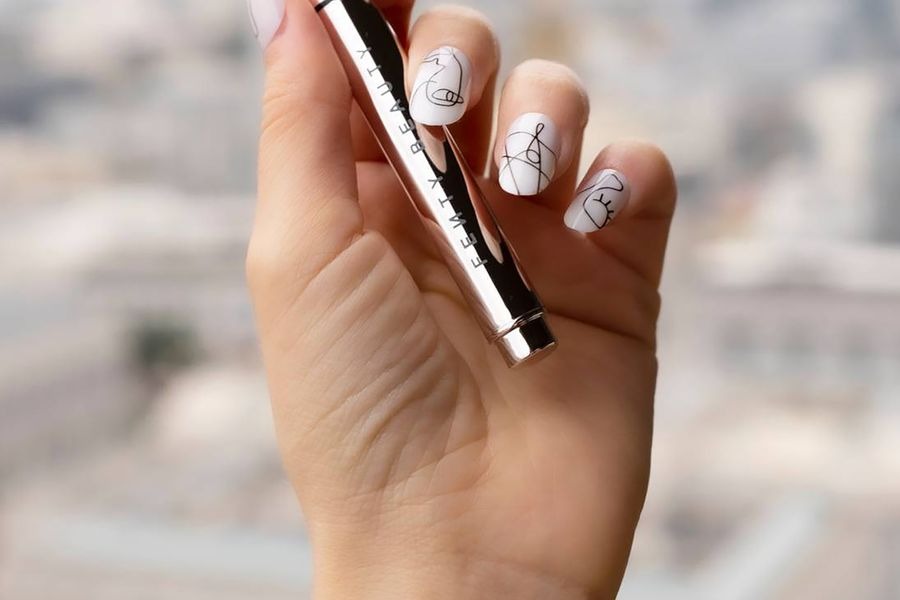
Oval nails are also rounded, but the sides taper more than they do on a classic round nail. The tip stays curved instead of coming to a point. This creates a longer-looking silhouette while keeping the overall effect soft.
Oval shapes usually need a little more length than round nails so there is enough free edge to create the taper. They can work beautifully on natural nails that grow well, or they can be created with an enhancement when more length or consistency is desired.
If you like elegant nails but do not want the sharper look of almond, oval can be a useful middle ground.
Square Nails
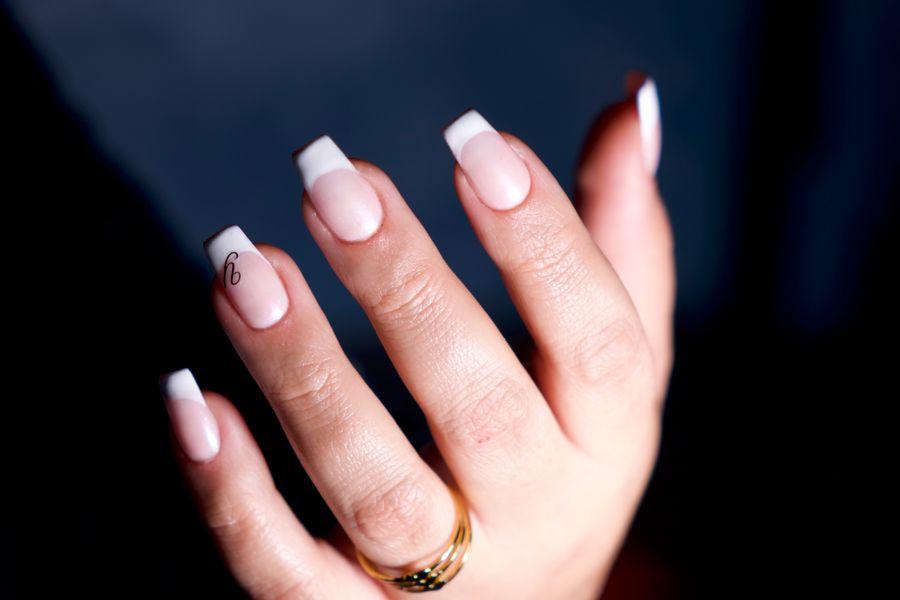
Square nails have a flat free edge and relatively straight sides, with distinct corners. OPI describes the classic square shape as having a flat top with straight, sharp corners.
Square nails can look especially clean with French tips, solid colors, minimalist art, or a glossy neutral finish. The strong horizontal edge gives the manicure a structured appearance. Short square nails can feel modern and practical, while longer square extensions make a bolder visual statement.
The corners are part of the look, but they can also be the area most likely to catch if your lifestyle is very hands-on. If you like a square appearance but want softer corners, squoval may be a better fit.
Squoval Nails
Squoval combines a square free edge with gently rounded corners. The center of the tip stays fairly flat, but the corners are softened so the shape feels less sharp than a true square.
This shape is popular because it is adaptable. It works at short and medium lengths, looks polished with almost any color, and offers a good compromise for someone who likes the structure of square nails without pronounced corners.
Squoval is also useful when you want a shape that can transition easily between professional, minimal, and more decorative nail looks.
Almond Nails
Almond nails taper along the sides and finish in a rounded peak. They are narrower at the tip than oval nails, but they do not end in the sharp point associated with stiletto.
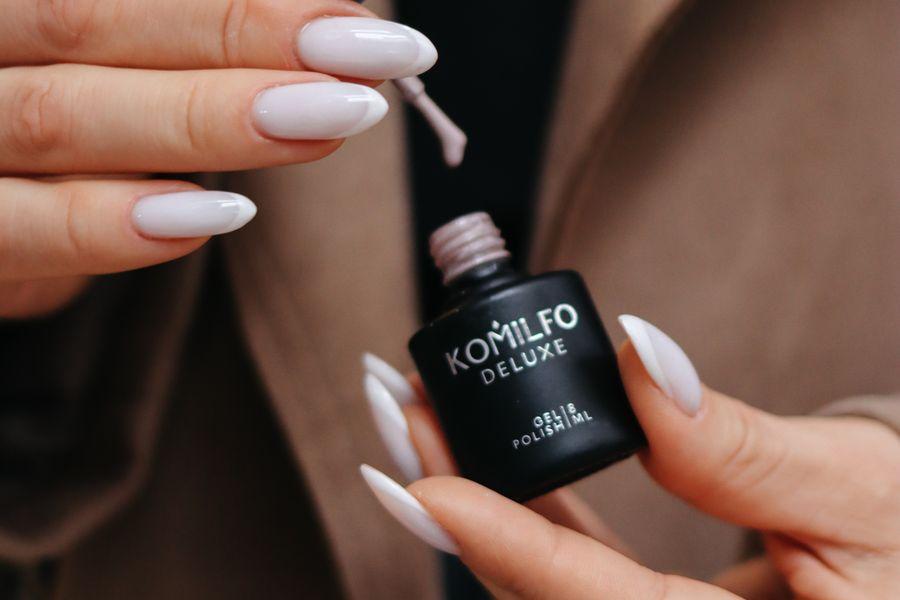
OPI notes that almond nails generally need medium to long length to create the recognizable tapered shape. The result is elegant and visually elongated, which is one reason almond has become such a popular choice for gel extensions, Gel X, BIAB-supported length, and other salon enhancements.
Almond works well with soft neutrals, glazed finishes, French variations, chrome, florals, and detailed nail art. Because the tip is narrower, the exact proportions matter. A nail artist can adjust how dramatic the taper feels based on your chosen length and the width of your natural nail.
Coffin or Ballerina Nails
Coffin and ballerina are two names commonly used for a long tapered shape with a flat tip. The sides narrow toward the free edge, but instead of ending in a point, the nail finishes with a straight horizontal line.
This shape usually needs noticeable length for the taper and flat end to read clearly. It is commonly created with enhancements because natural nails may not always have enough length or strength to hold the silhouette consistently.
Coffin nails offer a large surface for nail art, so they are popular for ombré, detailed patterns, rhinestones, chrome, and seasonal designs. The tradeoff is that longer nails require more awareness during daily activities.
Stiletto Nails
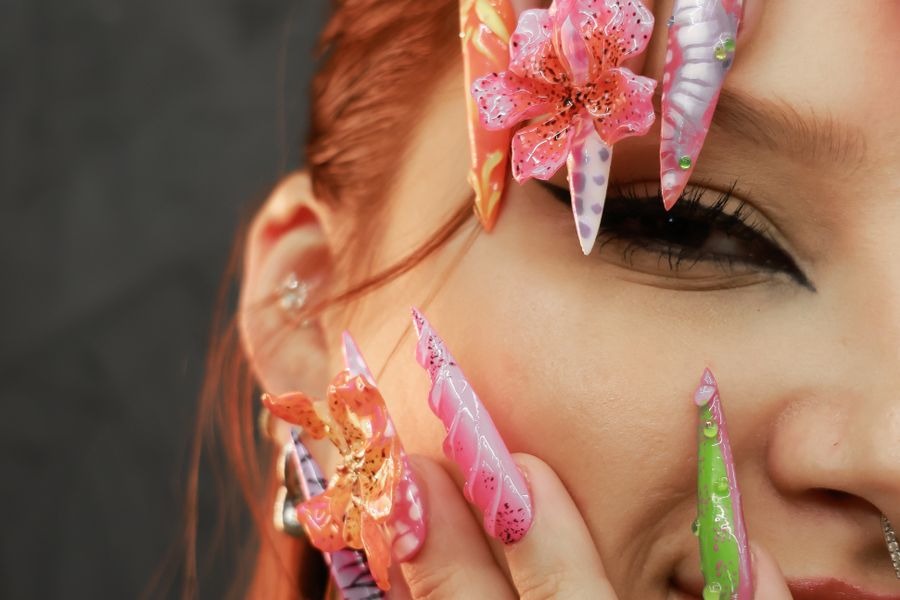
Stiletto nails are long and dramatically pointed. The sides taper toward a sharp peak, creating one of the most recognizable statement shapes in nail art.
This is generally an enhancement-based style because the length and narrow point require structure. Stiletto nails are ideal when the shape itself is part of the design, especially for editorial, artistic, or highly detailed sets.
They are less practical for many everyday routines than short round, oval, square, or squoval nails. That does not make them a bad choice. It simply means the client should choose the length intentionally and understand that very long pointed nails need more careful use.
Which Nail Shapes Work Best for Shorter Nails?
Round, short square, and squoval shapes are often easiest to create when there is limited free edge. These shapes can follow or lightly refine the natural nail instead of requiring significant length for a taper.
Oval can also work when the natural nail has enough length to narrow the sides without making the nail too small or fragile at the tip. Almond, coffin, and stiletto usually become more recognizable as length increases, which is why clients often choose an enhancement when they want those silhouettes.
If your priority is low maintenance, tell your nail artist. A shorter shape with smooth edges may be more useful than choosing a trend that looks beautiful in a photo but does not fit your daily routine.
Which Nail Shapes Work Best for Longer Nails?
Longer nails give the artist more room to create taper and proportion. Almond, coffin, oval, long square, and stiletto all become more visually distinct as length increases.
Length also expands the canvas for nail art. A detailed French design or layered pattern may have more room on a long coffin or almond set than on a very short round manicure. However, longer does not automatically mean better. The design should still feel balanced and comfortable on your hands.
Choosing a Shape for Your Hands and Nail Beds
You may see guides that claim a certain nail shape is the only flattering choice for a specific finger or nail-bed type. Treat those rules as inspiration, not requirements. OPI notes that round and oval shapes can create an elongated visual effect, while almond can make the nail line look longer and more tapered. Square shapes often emphasize width and create a crisp, structured finish.
Those visual effects can be helpful, but personal preference matters more. If you love square nails, you do not need to switch to almond because an online chart says so. A nail artist can adjust length, corner softness, taper, and width to make a shape feel more balanced for your hands.
Choosing a Shape for Your Lifestyle
Your routine is one of the most useful factors to consider. Someone who works at a keyboard may be comfortable with short or medium almond nails, while another person may prefer very short round nails. Someone who regularly creates nail content or enjoys statement fashion may happily choose long coffin or stiletto extensions.
Think about what your hands do every day. Consider contact lenses, sports, cooking, cleaning, instruments, healthcare work, childcare, gardening, and any job that requires frequent glove use. These details can help your nail artist recommend a length that supports the shape without becoming frustrating.
Natural Nails vs. Enhancements
Some shapes are easy to maintain on natural nails. Round, squoval, square, and oval can often be created by filing the natural free edge when enough length is present. Almond may also be possible naturally for people whose nails grow long and strong enough to support the taper.
Coffin and stiletto shapes usually benefit from more length and structure, so they are commonly created with Gel X, acrylic, or another professional enhancement system. Enhancements can also create more consistency when natural nails differ in length from finger to finger.
Kalos & Muse offers a range of nail enhancement services, including Gel-X, BIAB, dip, and other options. Your nail artist can help determine which service is appropriate for the shape and length you want.
Nail Shape and Nail Health
Shape should never come at the expense of a damaged natural nail. The American Academy of Dermatology recommends keeping nails clean and properly trimmed, filing rough edges in one direction, moisturizing, and leaving cuticles intact rather than cutting or pushing them aggressively.
If a nail is splitting, painful, discolored, inflamed, or unusually weak, adding extra length may not be the right first step. Cosmetic nail services can enhance healthy nails, but persistent nail changes may need evaluation by a medical professional.
At home, avoid reshaping enhancements aggressively with random tools. If the shape feels uneven or the length is interfering with your routine, ask your nail professional to adjust it safely.
How to Ask Your Nail Artist for the Shape You Want
Shape names are useful, but reference photos are even better. Bring one or two examples that clearly show the silhouette from straight on. If you like the length from one photo and the shape from another, say that. Your nail artist can explain what can be adapted to your natural nails or chosen enhancement.
Be specific about daily life too. Saying, "I love almond, but I need to type comfortably all day," gives your artist more useful information than simply asking for almond. The final version may be a shorter, softer almond that keeps the look you like without unnecessary length.
Nail Shapes at Kalos & Muse
Kalos & Muse offers manicures, pedicures, Gel-X, BIAB, dip powder, enhancements, and nail art in Richardson, Texas. That variety makes it possible to choose a service based not only on color but also on the length and structure needed for your preferred shape.
Explore nail services at Kalos & Muse or view the full nail menu before your appointment. If you are unsure which shape to choose, bring inspiration and let your nail artist help refine the proportions for your hands and routine.
Frequently Asked Questions About Nail Shapes
What is the most practical nail shape?
There is no universal answer, but short round and squoval nails are often practical because they have smooth edges and do not require much extra length. Your work and daily habits matter more than the name of the shape.
What is the difference between almond and oval nails?
Both are curved and tapered. Oval nails have a softer rounded end, while almond nails narrow more noticeably toward a rounded peak. Almond usually needs more length to create its characteristic silhouette.
What is the difference between square and squoval nails?
Square nails have a flat edge with distinct corners. Squoval keeps much of the flat edge but rounds the corners for a softer shape.
Are coffin and ballerina nails the same?
The terms are commonly used for the same basic silhouette: long tapered sides with a flat tip. Small variations can depend on the nail artist and the reference image.
Do I need extensions for almond, coffin, or stiletto nails?
Not always. Almond can sometimes be shaped on longer natural nails. Coffin and stiletto generally need more length, so professional enhancements are commonly used to create the structure and proportions consistently.
Ready to Choose Your Next Nail Shape?
Your best nail shape is the one that gives you the look you want while fitting the way you actually use your hands. Explore the nail services at Kalos & Muse in Richardson, bring your favorite inspiration, and work with your nail artist to find a shape and length that feel like you.
Tags: Nail Shapes, Almond Nails, Square Nails, Coffin Nails, Stiletto Nails, Nail Care, Nail Salon Richardson TX, Manicure, Kalos & Muse
Sources used for accuracy: OPI professional nail-shaping guidance; American Academy of Dermatology nail-care guidance; Kalos & Muse nail services and menu.