

A great facial can leave your skin looking brighter, smoother, calmer, or more hydrated when you walk out of the treatment room. The natural follow-up question is how long that fresh look will last. There is no single number that applies to every facial because the word facial covers everything from gentle hydration to exfoliation, extractions, masks, and device-based treatments.
The result you notice also depends on what your skin looked like before the appointment. If you arrived dehydrated after travel, a hydrating treatment may create a very noticeable change. If you already follow a consistent routine and your skin is stable, the improvement may be more subtle. Neither situation means the facial worked better or worse.
Think of a facial as one part of a larger skin-care rhythm. Professional treatment can improve how your skin looks and feels in the short term, but your daily cleansing, moisturizing, sun protection, product choices, and treatment schedule influence how that result develops over time. Kalos & Muse offers skin rejuvenation services and Hydrafacial treatments for clients who want a professional plan tailored to their goals.
There Is No Single Expiration Date for a Facial
Facial results do not switch off on a particular day. Hydration gradually changes as your skin encounters dry air, cleansing, makeup, exercise, travel, and sun exposure. Surface smoothness changes as dead skin cells naturally accumulate again. Congestion can return as oil, makeup, sunscreen, sweat, and other material collect in pores. The speed of those changes is personal.
The treatment itself matters too. A gentle hydrating facial may create softness and a refreshed look that you notice right away, while a more corrective treatment may be intended as part of a series. A device-based facial can combine several steps in one appointment. A classic facial may emphasize massage, masking, gentle exfoliation, or extractions. Results should be judged against what the service is designed to do.
It is more useful to ask how long a particular benefit may remain noticeable than to ask how long a facial lasts. Glow, hydration, smoother texture, reduced surface congestion, and relaxation all have different timelines.
What You Notice Right After a Facial
The most immediate changes are often related to hydration, cleansing, and surface texture. Well-hydrated skin can reflect light more evenly, which is one reason people describe a fresh post-facial glow. Removing surface buildup may also make the skin feel smoother. If extractions were part of the appointment, congested areas may look cleaner, although mild temporary redness can happen.
A facial should not be judged only by dramatic before-and-after contrast. Healthy skin care is often quieter than that. Feeling less tight, seeing makeup sit more evenly, noticing less surface flaking, or simply having a better understanding of which products to use can all be worthwhile outcomes.
Give your skin time to settle before adding unnecessary products. The American Academy of Dermatology warns that using too many active products or over-exfoliating can irritate the skin. After a facial, simple cleansing, moisturizing, and sun protection are usually more useful than trying to extend the result by layering extra acids, scrubs, or masks.

Your Home Routine Has a Big Effect on How Your Skin Looks
A professional facial can reset the surface of the skin, but the hours between appointments belong to your home routine. Consistent care usually matters more than doing something intense once in a while. A gentle cleanser, moisturizer appropriate for your skin, and daily broad-spectrum sunscreen create a better foundation than constantly changing products.
Moisturizer matters because skin can look dull and feel rough when it is dehydrated or the barrier is stressed. If a facial leaves your skin comfortable and hydrated, continuing with a suitable moisturizer helps support that feeling. On the other hand, using drying products or over-cleansing can quickly work against it.
Active ingredients can be helpful when they are appropriate for your goals, but more is not always better. Retinoids, exfoliating acids, benzoyl peroxide, and prescription treatments can increase sensitivity in some people. Follow the timing your esthetician or dermatologist recommends after a facial rather than restarting everything automatically the same night.
Sun Exposure Can Shorten the Fresh Look You Are Trying to Keep
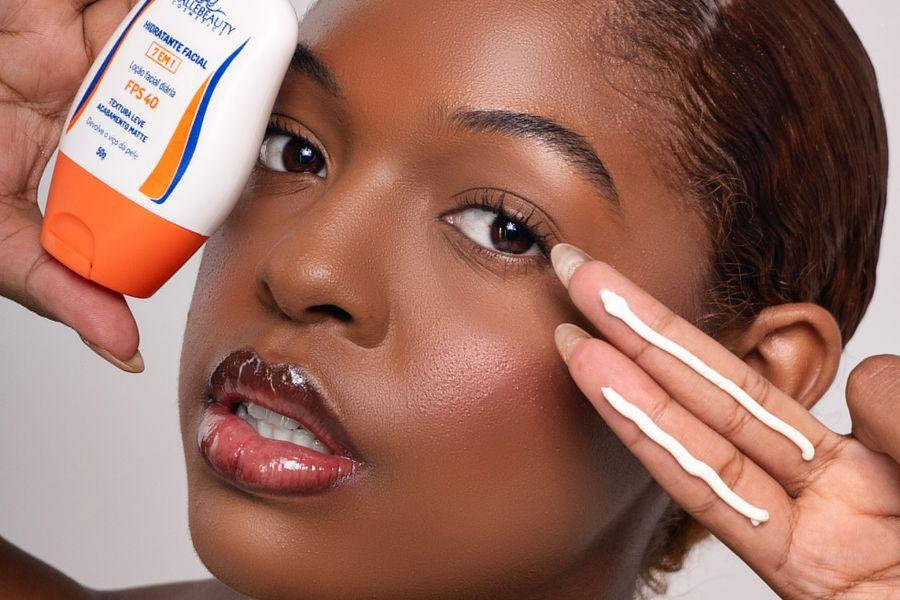
Sun exposure affects tone, visible redness, pigmentation, and long-term skin quality. Even a beautiful facial cannot protect your skin from ultraviolet radiation after you leave the treatment room. Daily broad-spectrum sunscreen with SPF 30 or higher is one of the most useful habits for preserving a more even-looking complexion.
This is especially important after exfoliation. Freshly treated skin may be more vulnerable to irritation, depending on the products and techniques used. If your facial included a peel, stronger exfoliation, or another active treatment, follow the specific sun-avoidance instructions from your provider.
Skin Type and Skin Condition Change the Timeline
Two people can book the same facial and experience different results. Oily or acne-prone skin may become congested again more quickly. Dry skin may lose that freshly hydrated feeling sooner in cold weather, air conditioning, or after travel. Sensitive skin may need a gentler plan with less frequent exfoliation.
Your skin can also change from month to month. Hormonal shifts, illness, medication, stress, sleep, climate, and changes in your routine can all influence oil production, dryness, breakouts, and sensitivity. That is why repeating the exact same protocol at every appointment is not always the best approach.
A good provider should look at the skin in front of them that day, not just the service name on the booking. If your skin is irritated, sunburned, peeling, or reacting to a new product, the safest decision may be to simplify or postpone parts of the facial.
Treatment Type Matters
A hydrating facial is primarily about replenishing comfort and moisture. A cleansing or extraction-focused facial may make the biggest difference in visible congestion. Hydrafacial combines cleansing, exfoliation, extraction, and hydration in a device-based sequence. Other skin rejuvenation treatments may work at different depths and can have different recovery periods.
Because these services do not have the same purpose, their results should not be compared as if they are interchangeable. A relaxing facial is not a failed treatment because it does not create the same effect as a peel. A Hydrafacial is not automatically the right choice simply because it uses a device. Match the treatment to the goal.
Lifestyle Can Show Up on Your Skin
Your skin is not isolated from the rest of your life. Travel, dry indoor air, sweating, frequent mask or helmet use, inconsistent sleep, smoking, and changes in diet or hydration can all affect how your complexion looks and feels. You do not need a perfect lifestyle to have good skin, but recognizing patterns can help you understand why a facial result seems to last longer at some times than others.
This is also why chasing a permanent post-facial glow is unrealistic. Skin is living tissue that changes. The goal is not to freeze it in its best-looking hour. The goal is to support a healthier, more comfortable baseline that is easier to maintain.
How to Help Your Facial Results Last
- Keep cleansing gentle, especially during the first day after a more active treatment.
- Use a moisturizer that suits your skin rather than adding multiple new products at once.
- Wear broad-spectrum SPF 30 or higher every day and follow any additional sun precautions from your provider.
- Avoid picking at extracted areas or trying to repeat professional extractions at home.
- Restart retinoids, exfoliating acids, or acne treatments according to the guidance you were given.
- Book your next facial based on your skin's needs, not because you think everyone must follow the same monthly schedule.
Frequently Asked Questions
How long does the glow from a facial last?
It varies. Immediate glow is often linked to hydration, cleansing, and smoother surface texture, so it can change as your skin returns to its normal routine. Home care, climate, skin type, and the treatment itself all influence how long you notice the effect.
Can I make a facial last longer with more exfoliation?
Usually, adding extra exfoliation is not the best strategy. Over-exfoliating can cause dryness, redness, and irritation. Follow your normal routine and any aftercare instructions instead.
How often should I get a facial?
There is no schedule that fits everyone. Frequency should reflect your skin concerns, sensitivity, treatment intensity, home routine, and budget. Your provider can help you build a realistic cadence.
Why did my first facial seem to wear off quickly?
Your starting skin condition, environment, and daily routine may have played a role. One appointment can improve how the skin looks and feels, but lasting changes often depend on consistent home care and an appropriate treatment plan.
If you want your skin to look consistently cared for, focus less on making one facial last forever and more on building a routine you can repeat. Professional treatments and thoughtful daily care work best when they support each other.