





Taking time for yourself can feel wrong in a culture that rewards being busy and always available. Many people are taught that a good person sacrifices first and rests later. The problem is that when rest never comes, the cost shows up in your body, your mood, and your relationships.
Self care is not a selfish choice. It is a practical way to maintain your health and protect your ability to care for others.
Why Self Care Can Trigger Guilt
Guilt often comes from the belief that your needs compete with other people’s needs. If you grew up hearing messages like keep going, do not complain, or be strong for everyone, taking a break can feel like failure.
But your brain and body are not designed for nonstop output. Rest and recovery are part of healthy functioning, not a reward you earn only after everything is done.
What Science Says About Stress And Recovery
Stress is not always harmful. Short bursts of stress can help you focus and act quickly. The issue is chronic stress, which keeps your system on high alert for too long.
When stress continues without enough recovery time, the body produces stress hormones more frequently. Over time, this can contribute to sleep problems, low mood, changes in appetite, reduced immune function, and difficulty concentrating.
Self care practices help create recovery periods. They signal safety to the nervous system, allowing your body to shift out of survival mode and back into restoration mode.
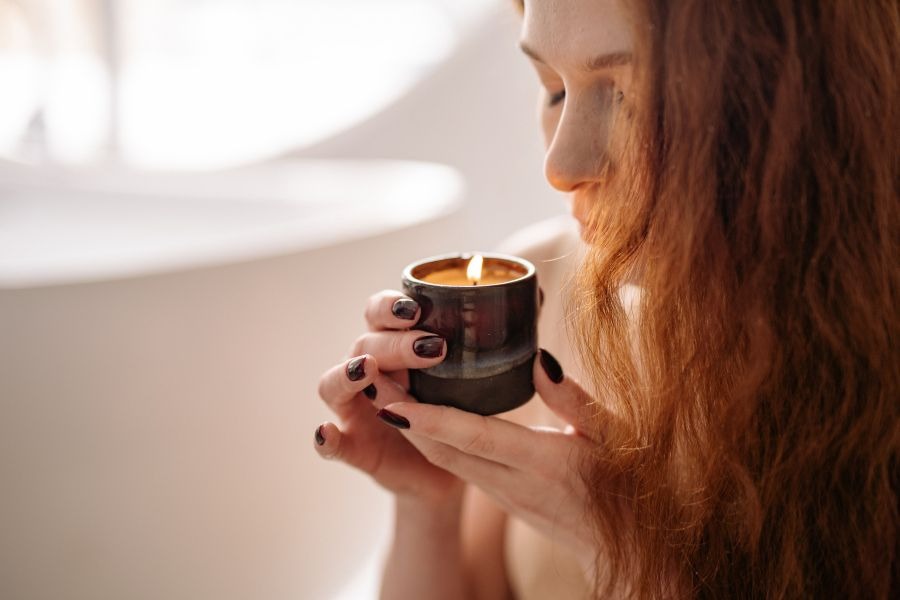
Self Care Supports A More Balanced Nervous System
Your nervous system has two broad modes that matter here. One supports action and vigilance. The other supports rest, digestion, and recovery.
When you build in calming habits such as breathing exercises, gentle movement, quiet time, or mindfulness, you encourage the recovery side of the system to activate. This can lower physical tension and improve your ability to return to a steady baseline after stressful moments.
A more regulated nervous system often leads to steadier emotions and better patience.
Self Care Strengthens Emotional Control
When you are depleted, your tolerance drops. Small issues feel bigger, and you may react faster than you want to. This is not a character flaw. It is often a sign that your brain is overloaded.
Rest and supportive routines improve your ability to pause, think clearly, and choose how you respond. People who regularly take time to reset tend to handle conflict better and bounce back from setbacks more quickly.
Self Care Helps You Show Up Better For Others
Giving without recovery often leads to resentment, emotional distance, or burnout. Many people notice that when they are stretched too thin, they become less attentive, less kind, and less present, even if they are trying their best.
Self care is how you refill the capacity that relationships require. When your needs are not constantly ignored, it becomes easier to offer attention, empathy, and stability to others.
Burnout Is A Warning Sign Not A Badge Of Honor
Burnout is more than being tired. It often includes emotional exhaustion, reduced motivation, and a sense of detachment. It can affect work performance, family life, and self confidence.
Self care is one of the most effective ways to lower the risk of burnout because it creates regular recovery instead of waiting for a breaking point.
Self Care Is Not The Same As Self Indulgence
Self indulgence is focused on temporary comfort without considering long term impact. Self care is focused on what supports your future well being.
Self care can look like getting enough sleep, eating real meals, moving your body, taking breaks from screens, asking for help, setting boundaries, or going to therapy. It can also be saying no to something that drains you, even when you feel pressure to say yes.
Sometimes self care feels pleasant. Sometimes it feels uncomfortable because it requires change.
Practical Ways To Start Without Overhauling Your Life
Try small steps that are easy to repeat.
- Choose one daily reset, even if it is five minutes of quiet breathing.
- Protect sleep as a foundation, not an afterthought.
- Schedule one non negotiable block each week for recovery, such as a walk or an unplugged hour.
- Practice one boundary, such as delaying responses or limiting extra commitments.
- Notice what restores you versus what distracts you.
Consistency matters more than intensity.
A Healthier Way To Think About It
Instead of asking, is it selfish to take time for myself, try asking, what happens to my relationships, work, and health when I never recharge.
Self care is not taking something away from others. It is maintaining the system that allows you to give with steadiness and sincerity.
Self care is not selfish. It is maintenance for a human life.

.jpg)