
.jpg)
Healthy nails are more than a cosmetic detail. They reflect overall wellness, daily habits, and how well you care for your hands. Weak, peeling, or brittle nails are common, but with the right approach, you can improve both their strength and appearance.
This guide covers what nails need to stay strong, what damages them, and simple habits that support long term nail health.
Understanding Nail Structure
Nails are made primarily of keratin, a tough protein that also forms hair and the outer layer of skin. Each nail grows from the matrix, located beneath the cuticle. As new cells form in the matrix, older cells harden and push forward, creating the visible nail plate.
Because nails grow slowly, usually a few millimeters per month, any damage or nutrient deficiency may take weeks to fully grow out. Patience and consistency are key when working toward stronger nails.
Common Causes of Weak Nails
If your nails split, peel, or break easily, there is usually an underlying reason. Some of the most common causes include:
- Frequent exposure to water and harsh soaps
- Overuse of nail polish remover, especially those containing acetone
- Aggressive filing or buffing
- Picking or biting nails
- Poor nutrition
- Repeated use of acrylics or hard gels without breaks
- Lack of moisture
Understanding what may be stressing your nails is the first step toward improving their condition.
The Role of Nutrition in Nail Strength
Since nails are made of protein, adequate protein intake is important for growth and resilience. A balanced diet that includes vitamins and minerals also supports nail health.
Key nutrients include:
- Protein for keratin production
- Biotin which may support nail thickness
- Iron which helps prevent brittle texture linked to deficiency
- Zinc which supports cell growth and repair
- Omega three fatty acids which support overall hydration
Rather than relying solely on supplements, aim to maintain a varied diet rich in whole foods. If you suspect a deficiency, consult a healthcare professional before starting supplementation.

Hydration Is Essential
Dry nails are more likely to split and peel. Just like skin, nails need moisture to remain flexible and less prone to breakage.
Practical hydration tips include:
- Applying cuticle oil daily
- Using hand cream after washing hands
- Wearing gloves while washing dishes or cleaning
- Avoiding prolonged soaking in water
Consistent moisture helps maintain the integrity of the nail plate and surrounding skin.
Smart Nail Care Habits
Small daily habits can make a significant difference over time.
Trim and File Properly
Keep nails at a manageable length to reduce stress at the tips. File in one direction instead of using a back and forth sawing motion, which can weaken edges.
Be Gentle With Cuticles
Cuticles protect the nail matrix from bacteria. Instead of cutting them aggressively, gently push them back after a shower when they are softer.
Limit Harsh Chemicals
If you frequently polish your nails, consider using non acetone remover when possible. Give your nails occasional breaks from polish and artificial enhancements to reduce thinning.
Avoid Using Nails as Tools
Opening packages or scraping surfaces with your nails increases the risk of cracks and splits.
Protecting Nails During Salon Treatments
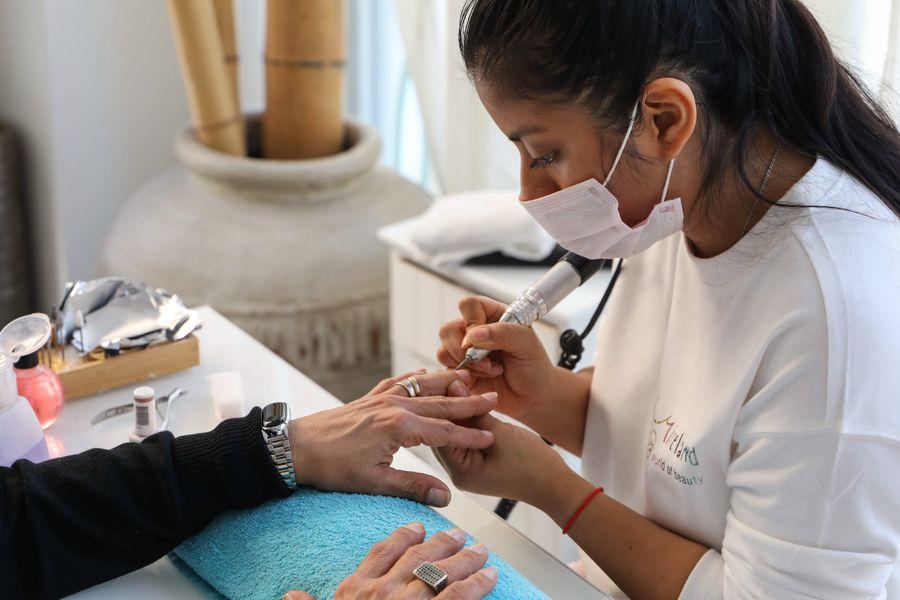
Professional manicures can be safe when done correctly. Choose reputable salons that follow proper sanitation practices.
If you opt for gel or acrylic services:
- Ensure removal is done carefully and not peeled off
- Take periodic breaks to allow natural nails to recover
- Communicate any discomfort during filing or drilling
Over filing and improper removal are common causes of long term damage.
Signs You Should Not Ignore
While minor brittleness is common, certain nail changes may indicate a deeper issue. Seek medical advice if you notice:
- Persistent discoloration not related to polish
- Thickening or crumbling texture
- Severe splitting that does not improve
- Dark streaks under the nail
- Swelling or pain around the nail bed
Early evaluation can rule out infections or underlying health conditions.
Building a Simple Nail Care Routine
You do not need an elaborate routine to improve nail strength. Start with these basics:
- Keep nails clean and dry.
- Moisturize hands and cuticles daily.
- Maintain a balanced diet with adequate protein.
- File gently and avoid over buffing.
- Protect hands with gloves during cleaning.
- Avoid picking, biting, or peeling enhancements.
Consistency matters more than complexity.
Final Thoughts
Strong, healthy nails are the result of steady care, protective habits, and good overall health. While quick fixes may promise instant results, lasting improvement comes from treating your nails gently and supporting them from the inside out.
With mindful care and patience, you can maintain nails that look polished, resilient, and naturally strong.