
Few nail looks have stayed as recognizable as the French manicure. A sheer or softly tinted base paired with a contrasting tip can look crisp, understated, polished, or playful depending on the proportions and colors you choose. The original white-tip version still feels timeless, but today's French manicure is less of a single formula and more of a design framework.
That flexibility is why the style continues to return in new forms. A micro French can be nearly invisible from a distance. A colored French tip can turn the same clean structure into something bright and seasonal. Chrome, double lines, angled tips, ombre fades, and mixed finishes all use the familiar idea of highlighting the free edge while changing the mood.
Whether you want a classic manicure for everyday wear or something more expressive for an event, understanding the main variations can make your salon appointment easier. Here are French manicure ideas that move from traditional to modern without losing the balanced, finished look that makes the style so enduring.
Why the French Manicure Keeps Coming Back
A French manicure works because it uses contrast in a very controlled way. The base stays close to a natural nail tone, while the tip creates a clean boundary at the free edge. That visual structure can make a manicure feel finished without relying on a bold all-over color. It also pairs easily with jewelry, workwear, formal outfits, denim, or a simple everyday look.
The proportions are easy to customize. On short nails, a very fine tip can preserve the appearance of length. On medium or long nails, a deeper smile line can become a design feature of its own. The same idea can move from subtle to dramatic just by changing the width, curve, or color of the tip.
The style also adapts well to different nail systems. A French design can be painted over natural nails, gel manicures, Gel X, dip, or other enhancements when the service supports it. Kalos & Muse lists French gel and French dip options on its nail menu, which means the final look can be selected alongside the structure and finish you prefer.
The Classic French: Clean, Balanced, Timeless
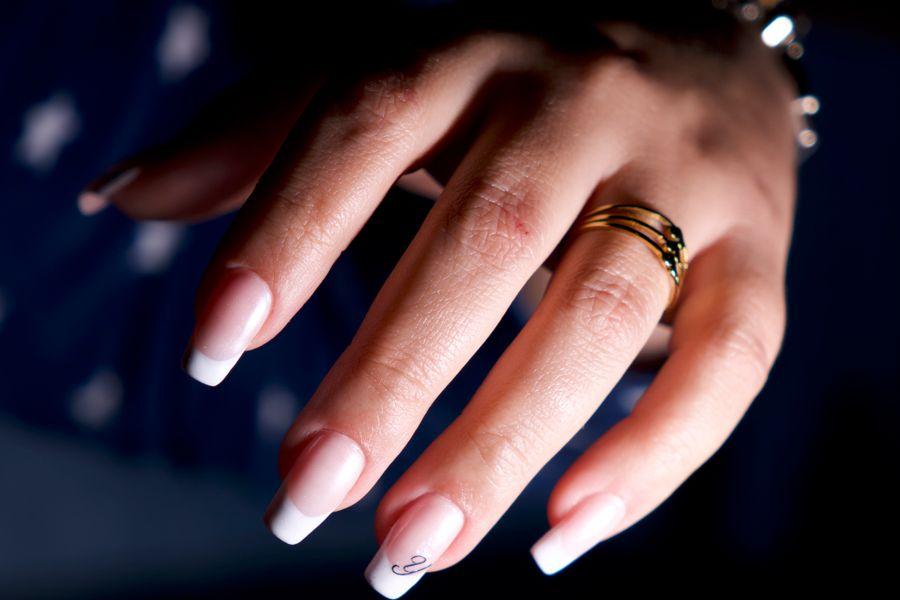
The classic version usually starts with a sheer pink, beige, or natural-looking base and a clean white tip. The goal is not necessarily a stark line. A well-balanced French manicure considers the length of the nail, the curve of the smile line, the width of the tip, and the tone of the base so the result looks intentional on the hand.
For a softer effect, choose a milky base and a thinner white edge. For a sharper, more graphic look, use a brighter white with a more defined curve. Square and squoval nails create a crisp horizontal finish, while oval and almond shapes give the smile line a more tapered, flowing appearance.
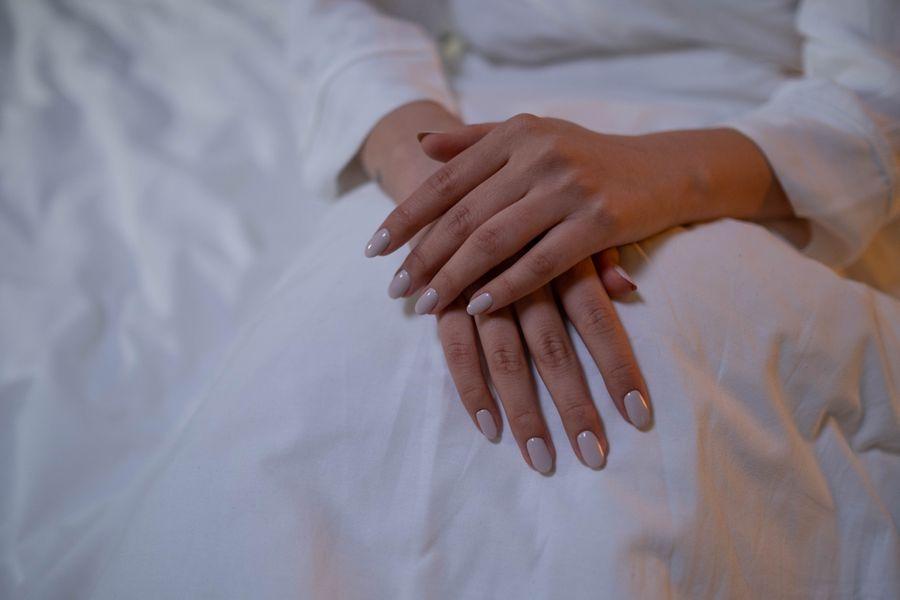
If you want a French manicure that feels elegant but not overly formal, keep the proportions light. A slightly translucent base lets the natural character of the nail show through, while a narrow tip adds just enough contrast. This version works especially well when you want a manicure that can move between work, weekends, and dressier plans without feeling tied to one outfit.

Modern French Variations to Try
Once you keep the idea of an emphasized tip, there is plenty of room to experiment. Modern French manicures can change the tip color, alter the line, add a second edge, or introduce texture without losing the clean structure that makes the design recognizable.
A micro French uses an ultra-thin line along the free edge and is ideal for shorter nails or a minimalist look. Colored French tips replace white with shades such as cobalt, cherry red, chocolate, soft pastel, or neon. A double French adds a second parallel line for more dimension, while an angled or side French shifts the tip off center for a more graphic effect.
Chrome French tips add reflective shine only at the edge, creating contrast between a soft base and a metallic finish. A French fade, sometimes called a soft ombre French, blends the pale tip into the base rather than drawing a hard line. You can also alternate colors from finger to finger, mix glossy and matte finishes, or add one accent nail with a small detail that repeats the tip color.
The key is restraint. French designs often look strongest when one idea is allowed to lead. If the tips are bright blue, you may not need heavy embellishment on every nail. If the finish is chrome, a simple base can make the reflective edge stand out more clearly.

Match the French Tip to Your Nail Shape
Nail shape changes the way a French design reads. On square nails, the free edge is broad and straight, so a French tip can look bold even when it is relatively thin. On squoval nails, softened corners make the same design feel a little less graphic while keeping a clean horizontal line.
Oval and almond nails naturally taper, so the smile line can follow that shape. A curved tip can emphasize the narrowing sides and make the overall silhouette feel longer. On coffin nails, the flat end gives room for a strong tip, while the tapered sides keep the design from feeling too wide. Very long stiletto nails can turn the French tip into a dramatic point or V-shaped detail.
If you are not sure which combination will suit you, separate the decision into two parts. First choose the nail shape and length that fit your hands and daily routine. Then decide how much of the free edge you want to highlight. Your nail artist can adjust the tip width and curve so the design supports the shape instead of fighting it.
Choosing Color, Finish, and Detail
White is only one option. Deep red tips can make a neutral manicure feel polished and seasonal. Black tips create high contrast. Blue, green, coral, lavender, or pastel yellow can make the design playful without covering the entire nail in color. If you already have an outfit, event theme, or favorite accessory in mind, the tip is an easy place to echo that color.
Finish can change the mood just as much as color. Glossy tips feel clean and classic. Chrome creates a more reflective, editorial look. A matte base with glossy tips adds a tonal effect without introducing another shade. Glitter can be used as a very fine line for a subtle accent or built more heavily for a party-ready finish.
Details work best when they respect the scale of the nail. A tiny gem, fine line, miniature flower, or small metallic accent can complement a micro French without crowding it. Longer nails can carry more complicated artwork, but negative space is part of what gives French manicures their visual clarity. Leaving some breathing room often makes the design look more deliberate.
Make the French Manicure Personal at Kalos & Muse
Kalos & Muse offers manicures, Gel-X, dip powder, enhancements, and nail art in Richardson, along with French add-on options listed on the nail menu. That gives you flexibility to decide whether you want the French look on your natural nails or as part of a longer enhancement set.
For your appointment, bring two or three inspiration photos that show what you actually like. One image might have the perfect tip width, while another has the color you want. Tell your nail artist whether you prefer a crisp line or a softer fade, and mention any practical limits on length. Those details are more useful than simply asking for a 'modern French' and hoping you are both picturing the same thing.
You can explore nail services at Kalos & Muse and review the full nail menu before booking. The French manicure is a classic for a reason, but it does not have to look identical every time. Small choices in shape, color, line thickness, and finish can turn a familiar design into something that feels completely your own.
If you save inspiration from social media, notice the base color as carefully as the tip. Two French manicures with identical white edges can look very different when one uses a clear pink base and the other uses an opaque milky nude. The undertone of the base affects how bright the tip appears and how the manicure works with your skin tone.
You can also use the French structure seasonally without making the design feel temporary. Warm brown, burgundy, or olive tips work well in fall. Icy blue, silver, and pearl finishes can shift the same idea into winter. Soft pastels feel fresh in spring, while saturated brights can make a short summer manicure feel playful and clean.
Another way to modernize the design is to play with scale across the hand. Some clients prefer the same tip on every finger for a calm, cohesive result. Others use a slightly different color, curve, or accent on one or two nails. Keeping the base consistent helps a mixed set still feel intentional. If you want several ideas at once, show your nail artist the full inspiration board so the details can be edited into one balanced design instead of competing with each other.
Consider maintenance when choosing very detailed tips. Fine linework and small accents can stay visually clean as the nail grows, while a design that depends on an exact cuticle placement may show growth sooner. Your preferred appointment schedule can therefore shape the design choice just as much as color. If you like to stretch time between visits, a French tip that leaves the cuticle area relatively natural can be an especially forgiving look as the manicure grows out.
Ready for your next French manicure? Book a nail appointment at Kalos & Muse in Richardson, bring your favorite inspiration, and work with your nail artist to choose a shape, tip style, and finish that fit your look.
Sources used for accuracy: OPI professional French manicure guidance; Kalos & Muse nail service and menu pages.
Tags: French Manicure, French Tips, Modern French Nails, Nail Art, Manicure Ideas, Nail Trends, Nail Salon Richardson TX, Kalos & Muse