
Dip powder nails have become a popular salon choice for people who want color, durability, and a polished finish without relying on a traditional gel-polish routine. The name comes from the finely milled colored powder used during the service, but the full process is more precise than simply dipping a finger into a jar. A professional application uses a bonding system, layers of powder, careful shaping, and a sealed top finish to create an even result.
If you are considering dip for the first time, the most useful questions are practical ones: how the service works, how long it tends to last, how it compares with other manicure options, and what kind of maintenance it requires. Understanding those basics makes it easier to decide whether dip fits your natural nails, your schedule, and the look you want.
What Dip Powder Nails Are
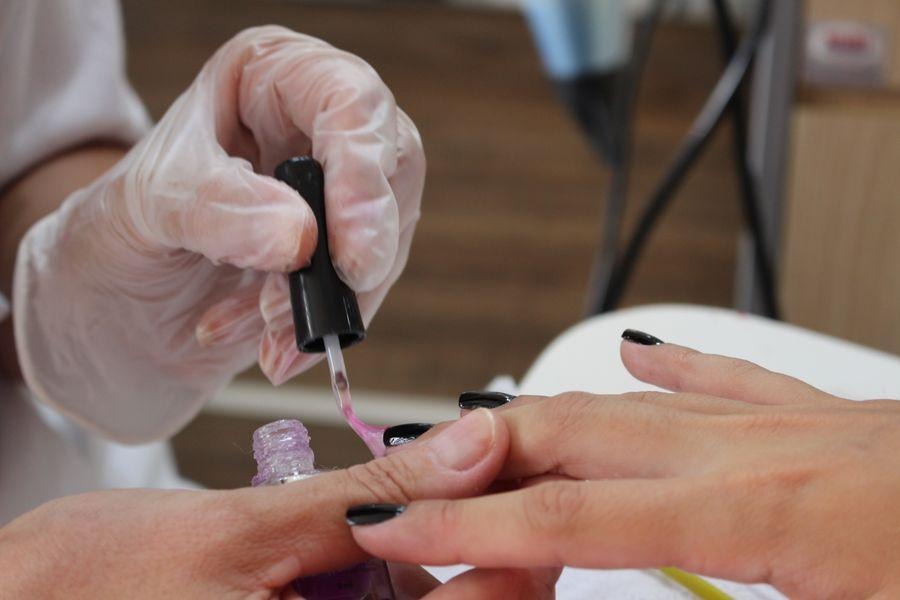
Dip powder systems use a resin-like base or bonding liquid together with pigmented acrylic powder. The nail is prepared, a base layer is applied, and powder is added in controlled layers until the color and strength are built up. Depending on the salon method, the technician may pour powder over the nail rather than placing a client's finger directly into a shared container. After the layers set, the surface is refined, shaped, and sealed with finishing products.
One reason clients like dip is that the structure feels more substantial than regular polish. It can add support to natural nails while still looking sleek when the product is applied in balanced layers. The finished look can be glossy, neutral, bold, or paired with nail art, so choosing dip does not limit you to one aesthetic.
Why Clients Choose Dip Powder
Durability is usually the biggest appeal. A well-applied dip manicure is designed to stay intact through normal daily routines better than conventional polish, which can begin chipping much sooner. For people who want a manicure that keeps a freshly finished look between appointments, that extra wear time can be useful.
Dip can also be a good option if you like the feel of a reinforced natural nail but do not necessarily want dramatic extensions. The powder layers add structure over the existing nail plate, and the technician can keep the length short and practical. If you want additional length, ask what enhancement method best matches your goal rather than assuming dip alone is the right way to create it.
Another benefit is variety. Dip powders come in many colors and can be combined with ombré effects, French-inspired finishes, shimmer, and other design details. The product choice is only one part of the final appearance. Nail shape, length, cuticle work, and finish quality matter just as much.
How Long Dip Powder Nails Typically Last
Many clients schedule dip maintenance around the two-to-four-week range, but there is no single number that applies to everyone. Your natural nail-growth rate, how much you use your hands, the length of your nails, and how well the application was performed all affect how long the manicure looks fresh.
Visible growth near the cuticle is often what makes an appointment feel due even when the product itself is still attached. Lifting, cracking, or product separation are different signals. Those should not be picked or glued down at home because trapped moisture and extra pressure can make the situation worse.
If you regularly work with water, cleaning products, tools, or repetitive hand contact, your manicure may need attention sooner. Wearing gloves for wet household work and treating nails as finished surfaces rather than tools can help reduce unnecessary stress.
What to Expect During a Dip Powder Appointment
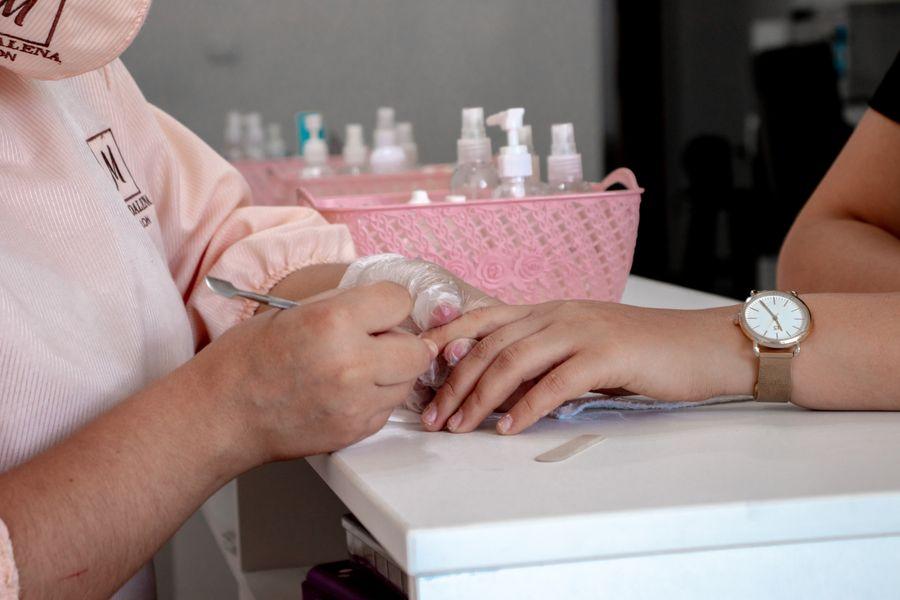
A dip appointment usually begins with consultation, shaping, and nail preparation. Your technician will discuss length, color, and whether your natural nails are in good condition for the service. Existing product may need to be removed first, which can add time to the appointment.
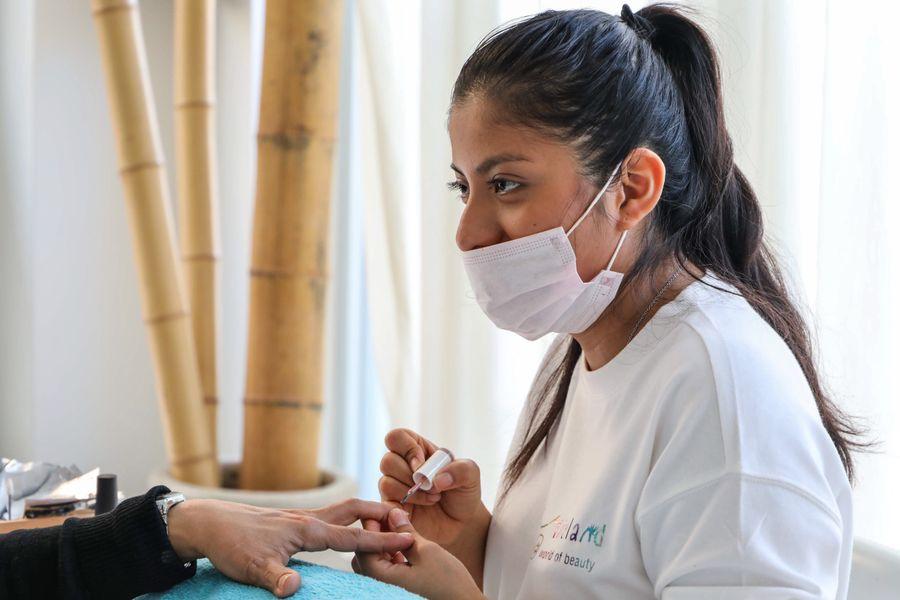
The application phase involves several controlled layers. The technician applies the bonding product, adds powder, builds coverage, and repeats as needed. Once the structure is complete, the nails are refined with filing and buffing so the surface looks smooth instead of bulky. The finishing steps seal the color and create the final shine or chosen texture.
Good technique matters more than speed. Clean prep, controlled product thickness, careful shaping, and hygienic handling all affect both the look and the wear of the manicure. If you have a specific shape or inspiration photo, bring it so the technician can confirm what is realistic for your nail length and condition.
Dip Powder Removal and Nail Care Between Visits
Removal deserves as much attention as application. Peeling or prying product from the nail can remove surface layers of the natural nail along with it, leaving nails thin and rough. Professional removal is the safer route because the goal is to dissolve or reduce the enhancement without forcing it away from the nail plate.
Between appointments, keep the skin around your nails comfortable with cuticle oil or hand moisturizer. Hydrated surrounding skin will not make the product itself last forever, but it supports a cleaner overall appearance and can reduce the dry, tight feeling that sometimes comes with frequent hand washing.
If you notice persistent pain, redness, unusual discoloration, or irritation around a nail, pause cosmetic services and have the area evaluated appropriately. Nail enhancements should feel secure and comfortable, not painful.
Is Dip Powder Right for You?
Dip may be worth considering if you want a durable manicure on natural nails, enjoy a polished finish for several weeks, and are comfortable returning for professional removal and maintenance. It can work especially well for medium or short lengths when the goal is added structure without a dramatic extension.
It may be less ideal if you prefer changing your color every few days, want an extremely thin polish-only feel, or know you are unlikely to return for proper removal. Your lifestyle matters as much as the trend itself.
If you are deciding between dip, gel, Gel X, or another manicure option, a nail professional can look at your current nails and help you compare the maintenance involved. Explore Kalos & Muse nail services before your appointment so you can arrive with a clearer idea of the finish and upkeep you want.
Dip Powder Questions to Ask Before You Book
Ask whether the salon uses a pour-over or individual-portion method for powder application and how tools are cleaned between clients. You do not need to interrogate your technician, but understanding the hygiene process can make a first appointment feel more comfortable. It is also useful to ask how the salon removes dip, especially if you already know you are tempted to peel product off at home when it starts growing out.
If you have naturally thin or flexible nails, mention that before the service begins. The technician can decide how much product to use and whether another system may be a better match. More layers are not automatically better. The finished nail should look balanced and feel secure without becoming unnecessarily bulky.
You can also ask how the salon handles repairs. A chipped corner, a small crack, and major lifting are different situations. Knowing whether you should return for a single-nail repair or schedule a full maintenance visit can prevent small issues from turning into larger ones.
Common Dip Powder Questions
Does dip powder require a UV lamp? The dip system itself is generally built with bonding liquids and powder rather than curing each color layer under a UV or LED lamp. Some salons may use separate products during finishing, so ask about the exact system if lamp exposure is something you care about.
Can dip be used on short nails? Yes. In fact, short and medium natural nails are a common reason people choose dip because the added structure can support a neat everyday manicure without requiring long extensions. Shape still matters, and a rounded or squoval silhouette can be especially practical for hands-on routines.
Can you change from dip to another service later? Yes. The important part is removing the current product correctly before switching. If you want to move to gel, Gel X, acrylic, or a natural-nail manicure, tell your technician what is currently on the nail so the removal and prep steps can be planned appropriately.
Choosing Color, Shape, and Finish With Dip
Dip powder is often discussed as if durability is the whole point, but the creative choices still matter. Short round or squoval nails can make the service feel practical and understated. Almond and soft square shapes create a more styled look without requiring extreme length. If you are unsure what will be easiest to live with, start slightly shorter and let the color or finish provide the visual interest.
Color can also affect how quickly growth feels noticeable. Sheer pinks, milky neutrals, and soft gradients tend to make the transition near the cuticle look more subtle than a very opaque dark shade. That does not mean you should avoid bold colors. It simply gives you one more factor to consider if you are trying to stretch the look between appointments.
For nail art, ask how the design will be layered with the dip system. Some looks are built into the powder application, while others are added on top after shaping. Showing the reference image before the service begins lets the technician plan the order of steps instead of trying to add a complex design at the very end.
Ready to try a longer-wearing manicure? Explore Kalos & Muse nail services in Richardson and book a nail appointment to discuss whether dip powder fits your natural nails, preferred length, and maintenance routine.