





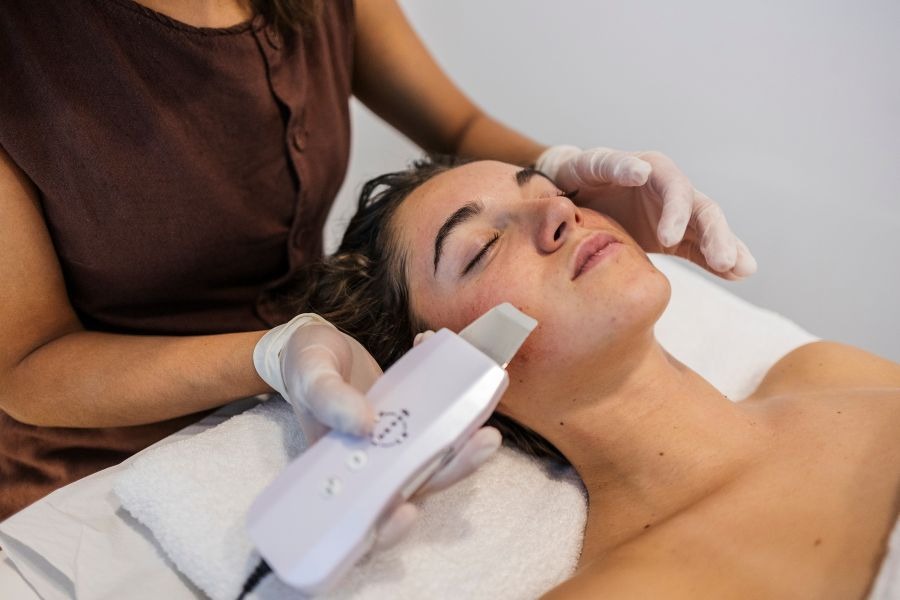
Laser treatments have become one of the most requested categories of professional skin care, and for good reason. When matched correctly to the individual, they can address concerns that topical products and traditional facials simply cannot reach: established pigmentation, visible textural damage, vascular redness, acne scarring, and the early structural signs of aging. The results, built over a properly planned series, are among the most noticeable and lasting available in aesthetic medicine.
The challenge is that laser is not a single thing. It is a category that encompasses several distinct technologies, each working through a different mechanism, targeting different structures within the skin, and suited to different skin types, concerns, and goals. Walking into a laser consultation without any context can feel overwhelming. This guide is designed to give you that context so that when you sit down with a provider, you can participate meaningfully in the conversation about what is right for your skin.
Understanding How Laser Treatments Work
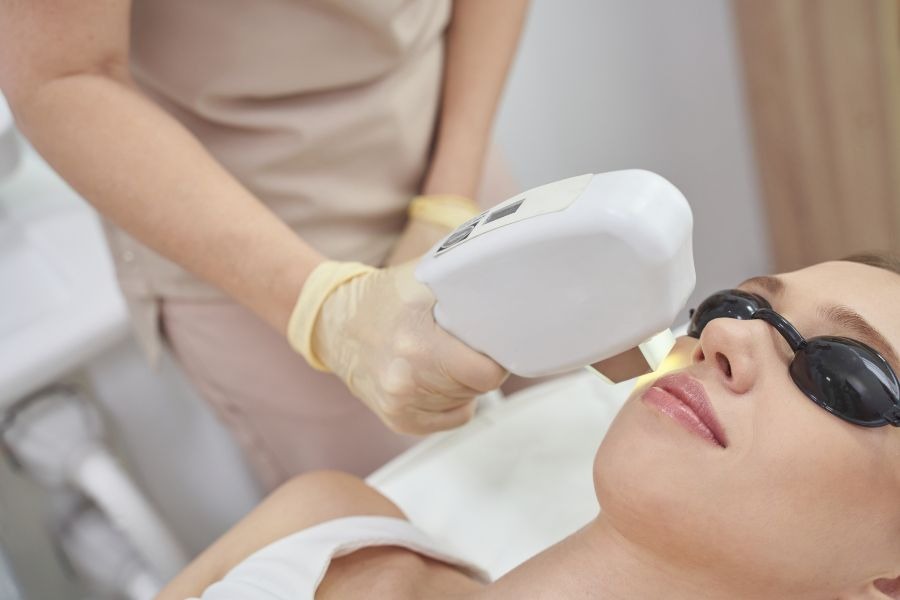
All laser treatments work by delivering focused light energy into the skin. What differentiates them from each other is the wavelength of that light, how it interacts with the skin's different structures, and whether it removes surface tissue, generates heat in deeper layers, or targets specific chromophores like melanin or hemoglobin.
Ablative lasers work by removing the outermost layers of the skin entirely. The controlled destruction of surface tissue triggers an intensive healing response that generates fresh, new skin with improved texture and tone. These treatments are the most powerful for surface-level correction but also involve the most significant downtime, as the skin needs time to fully resurface and recover.
Non-ablative lasers deliver energy into the deeper layers of the skin without removing the surface. They stimulate collagen production and target specific concerns beneath the skin's outer layer while leaving the surface intact. Recovery is considerably shorter, though multiple sessions are typically required to achieve comparable results to ablative approaches.
Fractional lasers, whether ablative or non-ablative, treat only a fraction of the skin surface in each session, leaving surrounding tissue untouched. This accelerates healing and allows the treated zones to recover more quickly while still delivering meaningful results. Fractional technology has made laser treatments accessible to a much wider range of clients because it reduces downtime and broadens the range of skin tones that can be treated safely.
Matching the Treatment to the Concern
Different laser technologies are matched to different skin concerns. Understanding this helps you identify which category of treatment is relevant to your situation before you ever book a consultation.
Pigmentation and sun damage, including sunspots, age spots, melasma, and the general uneven tone that accumulates with years of UV exposure, responds well to treatments that target melanin. IPL, or Intense Pulsed Light, is technically a broadband light device rather than a single-wavelength laser, but it is frequently grouped in this category and is highly effective for treating scattered surface pigmentation and vascular redness on lighter skin tones. Specific laser wavelengths are used for deeper or more resistant pigmentation.
Texture issues, including roughness, enlarged pores, fine lines, and the uneven surface quality that develops with age and sun damage, respond well to resurfacing treatments. Fractional ablative lasers produce the most dramatic textural improvement and are frequently chosen for clients who want significant results and are willing to accept a recovery period to achieve them. Non-ablative fractional treatments offer a more gradual improvement with less downtime.
Vascular concerns, including redness, rosacea, broken capillaries, and diffuse facial flushing, require treatments that target hemoglobin, the red pigment in blood. Specific laser wavelengths are absorbed selectively by blood vessels without affecting surrounding tissue, making them highly effective for these concerns with minimal collateral impact.
Acne scarring, particularly atrophic scarring that leaves depressed areas in the skin surface, responds to treatments that stimulate new collagen to fill and restructure the damaged tissue. Fractional resurfacing treatments, both ablative and non-ablative, are among the most effective professional interventions available for this concern. Results require patience and a planned series of treatments, but the improvements that accumulate over six to twelve months of consistent treatment can be genuinely significant.
Collagen stimulation and overall skin quality improvement, without a specific targeted concern, is well served by non-ablative fractional treatments and radiofrequency microneedling, which delivers controlled thermal energy into the dermis to drive collagen and elastin production. These treatments are popular among clients in their 30s and 40s who want to maintain and improve their skin's structural quality before visible aging becomes significant.
Skin Tone and Why It Matters for Laser Selection
Skin tone is one of the most important variables in laser treatment selection, and it is a factor that every qualified provider will assess carefully before recommending any energy-based treatment. The reason is that certain laser wavelengths are absorbed by melanin, and in darker skin tones with higher melanin concentrations, this can lead to unintended thermal injury, hyperpigmentation, or hypopigmentation if the wrong treatment or the wrong parameters are used.
Fitzpatrick scale categories I through VI describe a spectrum from very fair, highly photosensitive skin to very dark skin with significant UV resistance. Treatments like IPL and certain ablative lasers carry higher risk on Fitzpatrick types IV through VI and require either different technologies or significantly modified parameters to be used safely. Non-ablative and fractional approaches with longer wavelengths are generally safer across a broader range of skin tones.
This is not a reason to avoid laser treatments if you have a medium to deep skin tone. It is a reason to choose your provider carefully and to ask specifically about their experience and training with your skin type before proceeding. At Kalos & Muse, our team is trained to treat clients across the full range of skin tones and stays current with the evolving protocols that have made laser treatments safer and more effective for diverse skin. Every treatment recommendation we make is based on a thorough assessment of your individual skin.
What to Expect From a Laser Consultation
A thorough laser consultation should feel like a real conversation rather than a sales interaction. Your provider should ask about your skin history, your current concerns, any previous treatments you have received, your medications, your sun exposure habits, and your expectations for results and downtime. All of these factors influence both the treatment selection and the parameters used.
You should leave a consultation with a clear understanding of which treatment is being recommended and why it is matched to your specific skin, what the treatment process actually involves, what the recovery period looks like and how to manage it, what results you can realistically expect and on what timeline, and what a full treatment plan looks like including how many sessions are appropriate and how they will be spaced.
If a provider recommends a laser treatment without first asking about your skin history, reviewing your skin under proper lighting, and discussing alternatives, that is a signal worth paying attention to. The right provider takes the time to understand your skin before recommending anything.
Preparing for Your Laser Treatment
How you prepare for a laser treatment in the days and weeks before your appointment affects both the safety of the treatment and the quality of your results. Most providers will give you a specific pre-treatment protocol, but these are the general principles that apply broadly.
• Avoid direct sun exposure for at least two to four weeks before treatment. Tanned or sunburned skin has elevated melanin activity that increases the risk of adverse reactions. SPF 50 worn daily in the weeks leading up to treatment is essential.
• Stop using retinol, AHAs, BHAs, and other active exfoliants for at least one week before treatment. These thin the skin and increase sensitivity.
• Arrive with clean, product-free skin on the day of your appointment. No SPF, makeup, or active serums applied on the day.
• Disclose all medications, including supplements, to your provider. Certain medications increase photosensitivity or affect healing.
• Have realistic expectations about timing. Laser results build over weeks as the skin heals and remodels. The full benefit of a session is often most visible four to eight weeks after treatment.
After Your Treatment: Supporting the Results at Home
The post-treatment period is where your at-home habits either amplify or limit what the laser has initiated. Keep your routine as simple and gentle as possible for the first several days. A gentle cleanser, a plain calming moisturizer, and rigorous SPF protection are the foundations. Avoid any active ingredients until your skin has fully settled and your provider has cleared you to reintroduce them.
Sun protection during the post-treatment period is not optional. Laser-treated skin is significantly more vulnerable to UV-induced pigmentation, and any sun exposure without adequate protection in the days and weeks following treatment can produce precisely the kind of discoloration the treatment was designed to address. SPF 50, reapplied every two hours if you are spending time outdoors, is the minimum standard.
For a detailed breakdown of what good at-home skin care looks like between professional treatments, our post on at-home skincare habits that support professional treatments covers the full protocol. And if you are still in the early stages of exploring professional skin care and want to understand the broader landscape before booking, our Medspa 101 guide walks through what to expect from your first professional treatment experience.
The Right Starting Point
If you have been thinking about laser treatments but are not sure where to begin, the most productive first step is a consultation rather than a booking. Knowing which treatment is right for your skin, your concerns, and your lifestyle before committing to a session produces better outcomes and a better experience than working backward from a treatment you have already paid for.
At Kalos & Muse, our laser treatment services are matched to each client individually based on a thorough skin assessment and an honest conversation about goals and expectations. We do not apply a standard protocol to every client. We build a plan around your skin, your timeline, and what will genuinely serve you best. If you are ready to have that conversation, we would be glad to be the starting point.
Ready to find the right laser treatment for your skin? Book a consultation at Kalos & Muse and let our team assess your skin, answer your questions, and build a plan that is right for you. Visit kalosmuse.com to schedule.